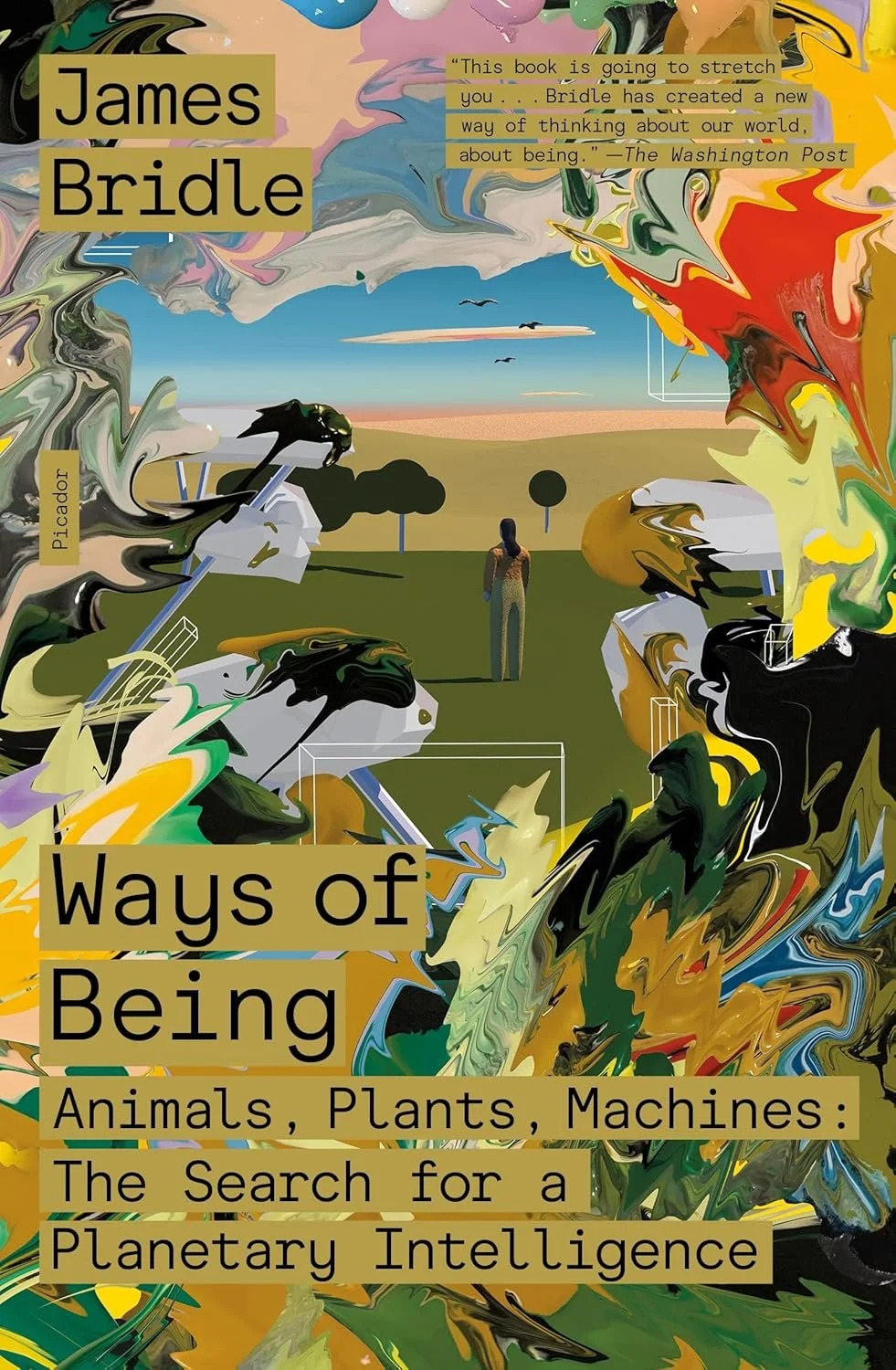
Ways of Being | James Bridle
Why it is included: We usually define "Intelligence" as "what humans do" (logic, language).
Bridle explodes this narrow definition. They explore "More-than-Human Intelligence"—from the slime molds that can solve mazes to the complex social networks of forests, and even the "alien" intelligence of AI.
Bridle argues that AI should not be built to mimic corporate humans, but to help us commune with the planetary mind.
We include this to upgrade our definition of technology.
Instead of building AI to dominate nature, Bridle envisions a "Internet of Animals" and a technology stack that integrates us back into the ecology. It is a visionary text that creates a new alliance between biology and code, moving us from "Artificial Intelligence" to "Ecological Intelligence."
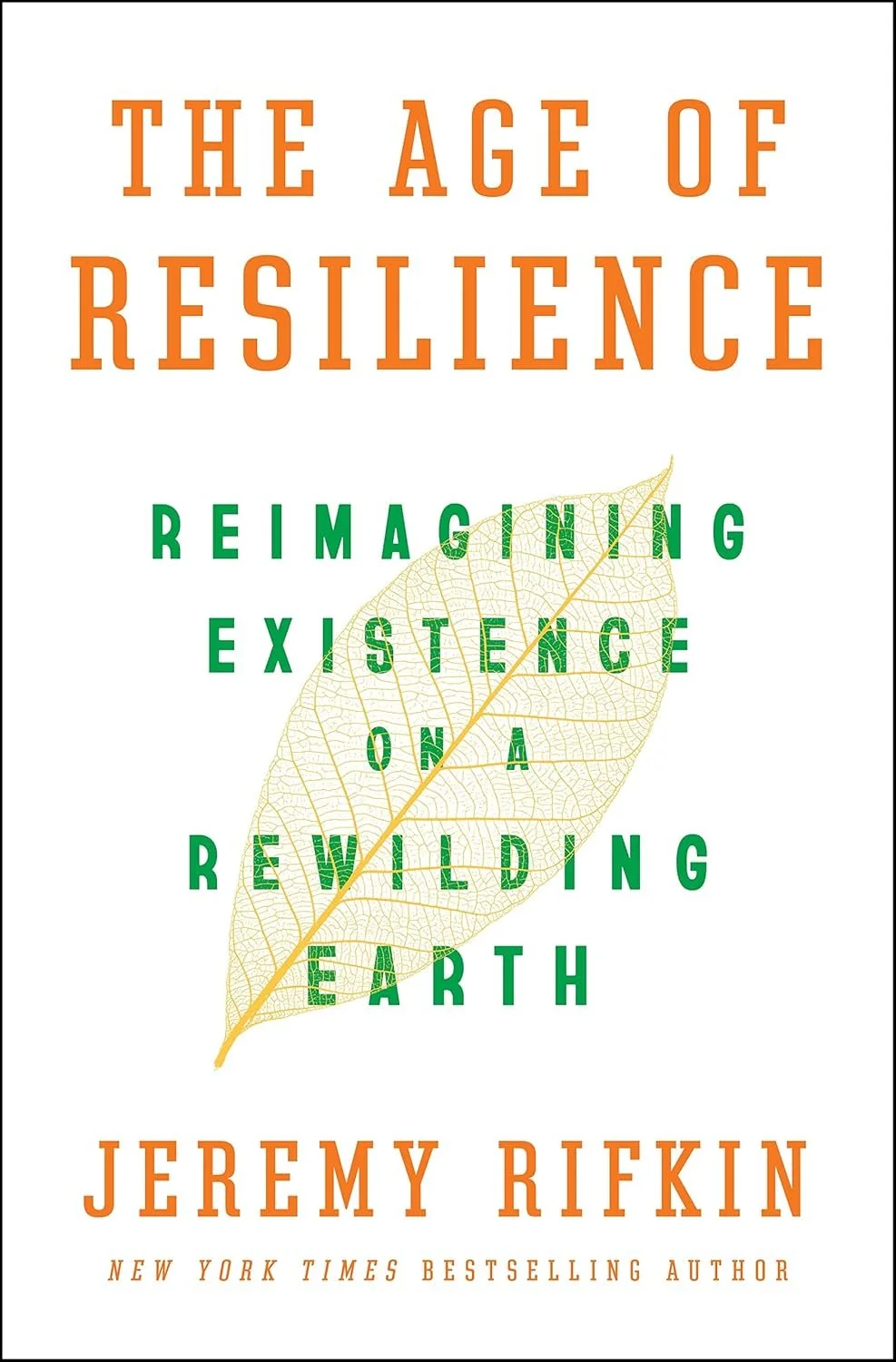
The Age of Resilience | Jeremy Rifkin
Why it is included: For 200 years, humanity has been driven by the "Age of Progress"—an ideology based on efficiency, speed, and the domination of nature. Rifkin argues that this age is dead.
The climate crisis has shattered the illusion that we can control the planet.
We are now entering the "Age of Resilience," where the goal is no longer to be efficient (lean and fragile), but to be adaptable (redundant and robust).
We include this because it provides the new economic operating system.
Rifkin details how we must shift from "Globalization" to "Glocalization," from "Financial Capital" to "Ecological Capital," and from "representative democracy" to "distributed peer governance."
It is the comprehensive blueprint for how a civilization survives on a volatile planet, moving the conversation from "How do we grow?" to "How do we last?"