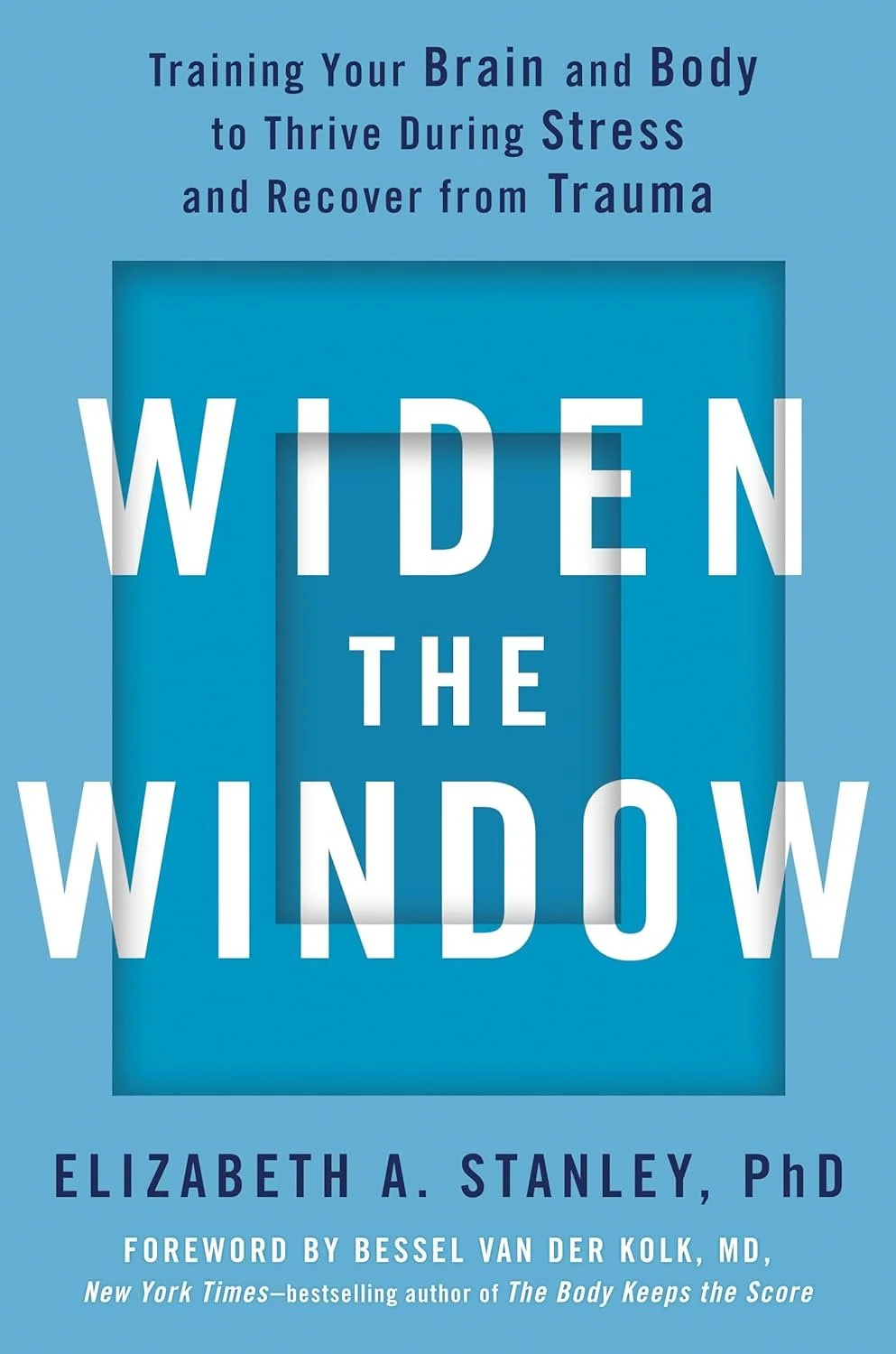
Widen the Window | Elizabeth A. Stanley
Why it is here: The hardware of stress.
Stanley (a professor and veteran) explains that you cannot "think" your way out of a survival response.
When stress narrows your "Window of Tolerance," your prefrontal cortex (IQ/Strategy) goes offline, and you revert to the reptilian brain.
We include this to teach Somatic Regulation.
It provides specific protocols to keep the "Thinking Brain" online during chaos.
It shows that "Adaptive Flow" is not just a mindset; it is a physiological state of the nervous system that must be trained like a muscle.
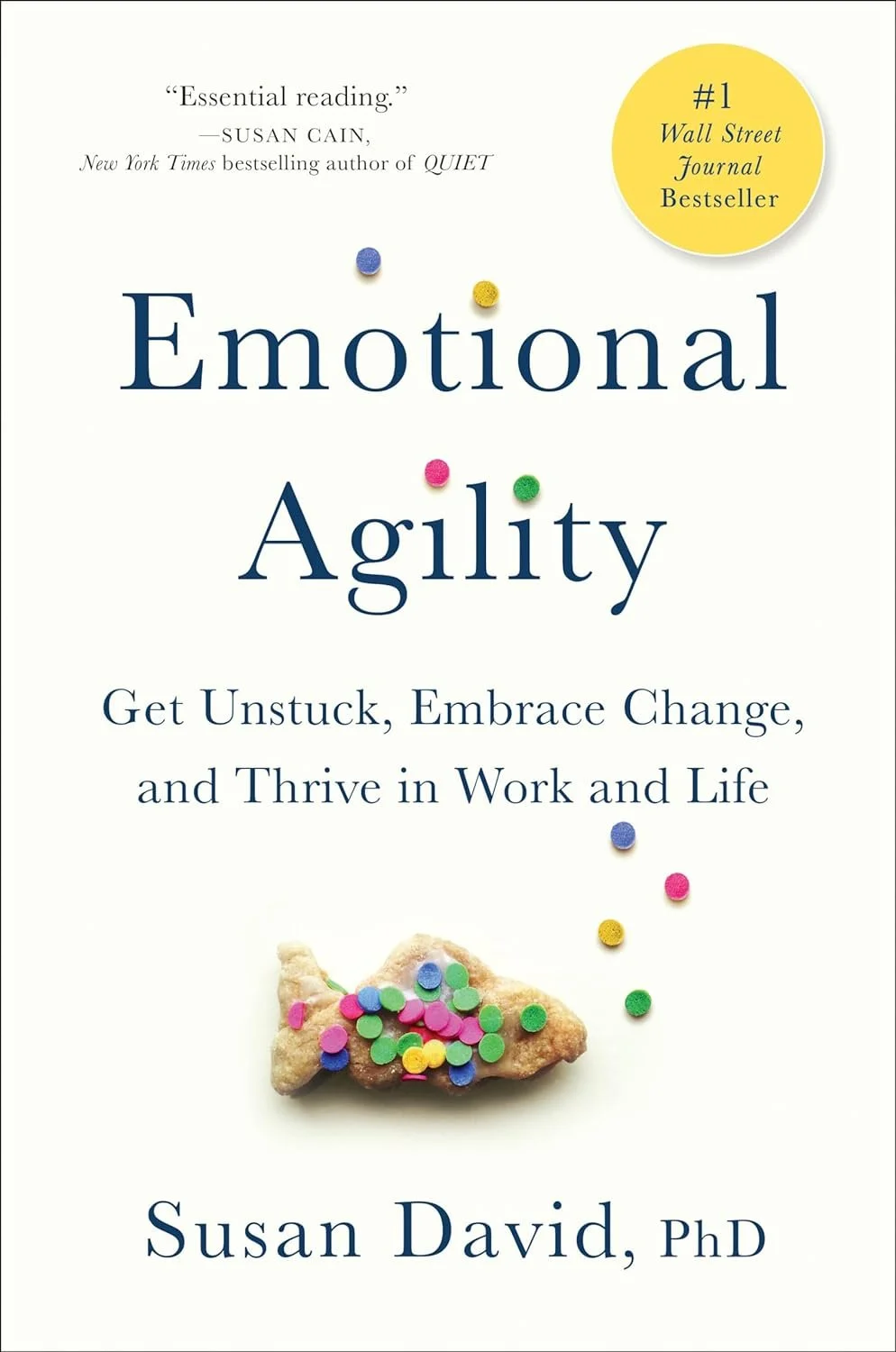
Emotional Agility | Susan David
Why it is here: The antidote to rigidity.
David, a Harvard psychologist, argues that we often get "hooked" by our thoughts and feelings (e.g., "I'm a failure," "This is a disaster").
Most of us often try to suppress these feelings ("Toxic Positivity") or brood on them.
She teaches the skill of "Unhooking"—stepping back to view emotions as data points rather than directives.
We include this to ensure the leader can navigate the internal storm of change without shutting down.
It turns emotions from stumbling blocks into signposts for values.
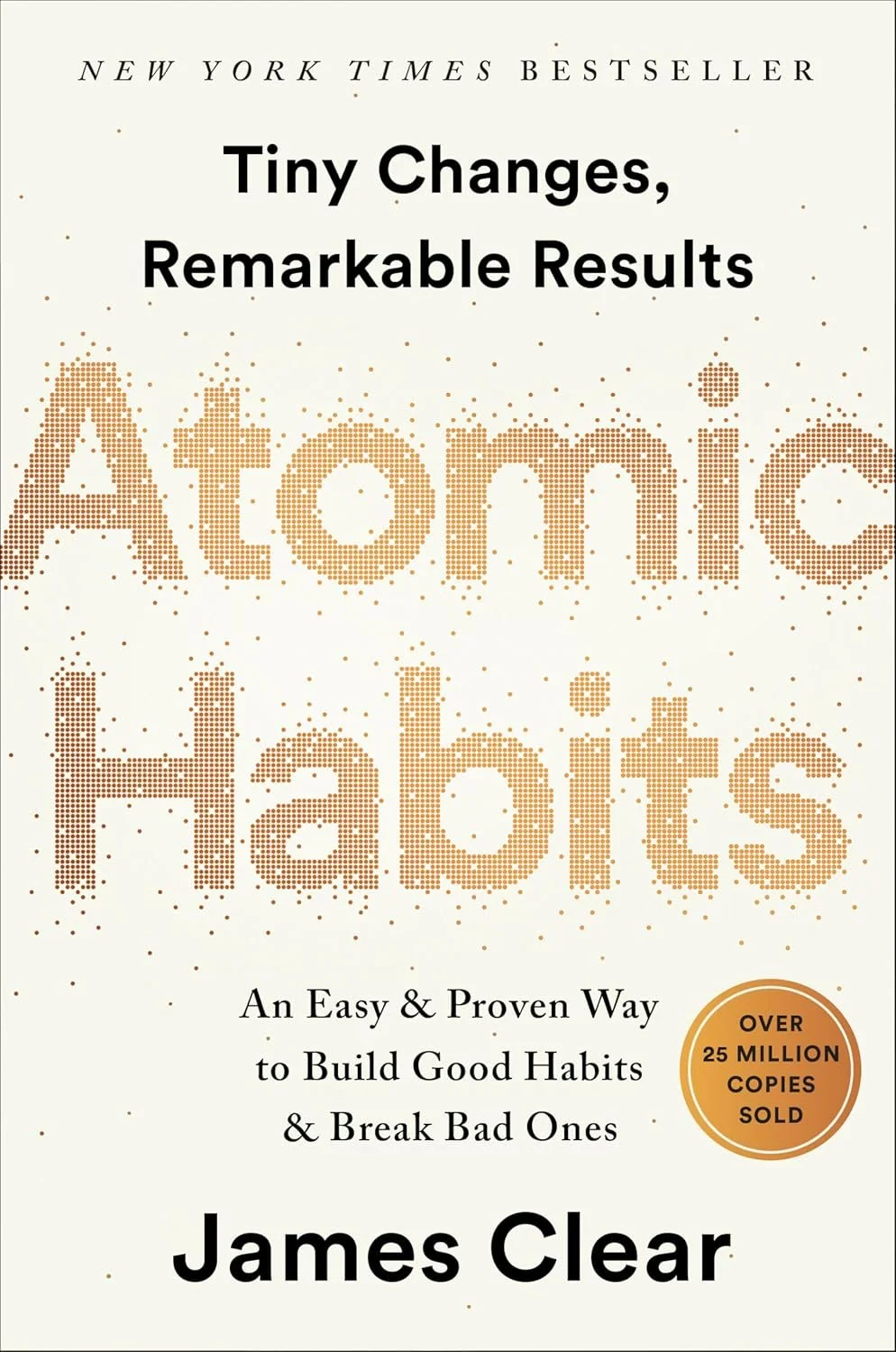
Atomic Habits | James Clear
Why it is here: The mechanism of change.
Adaptation isn't a magical leap; it is a compound effect.
Clear explains that you do not rise to the level of your goals; you fall to the level of your systems.
We include this because ideals (Regeneration, Wholeness) are useless without resonating habits.
This book provides the source code for reprogramming the human behavior loop.
It teaches us that the way to steer the ship is not by spinning the wheel wildly, but by adjusting the small rudder of daily action by 1%.
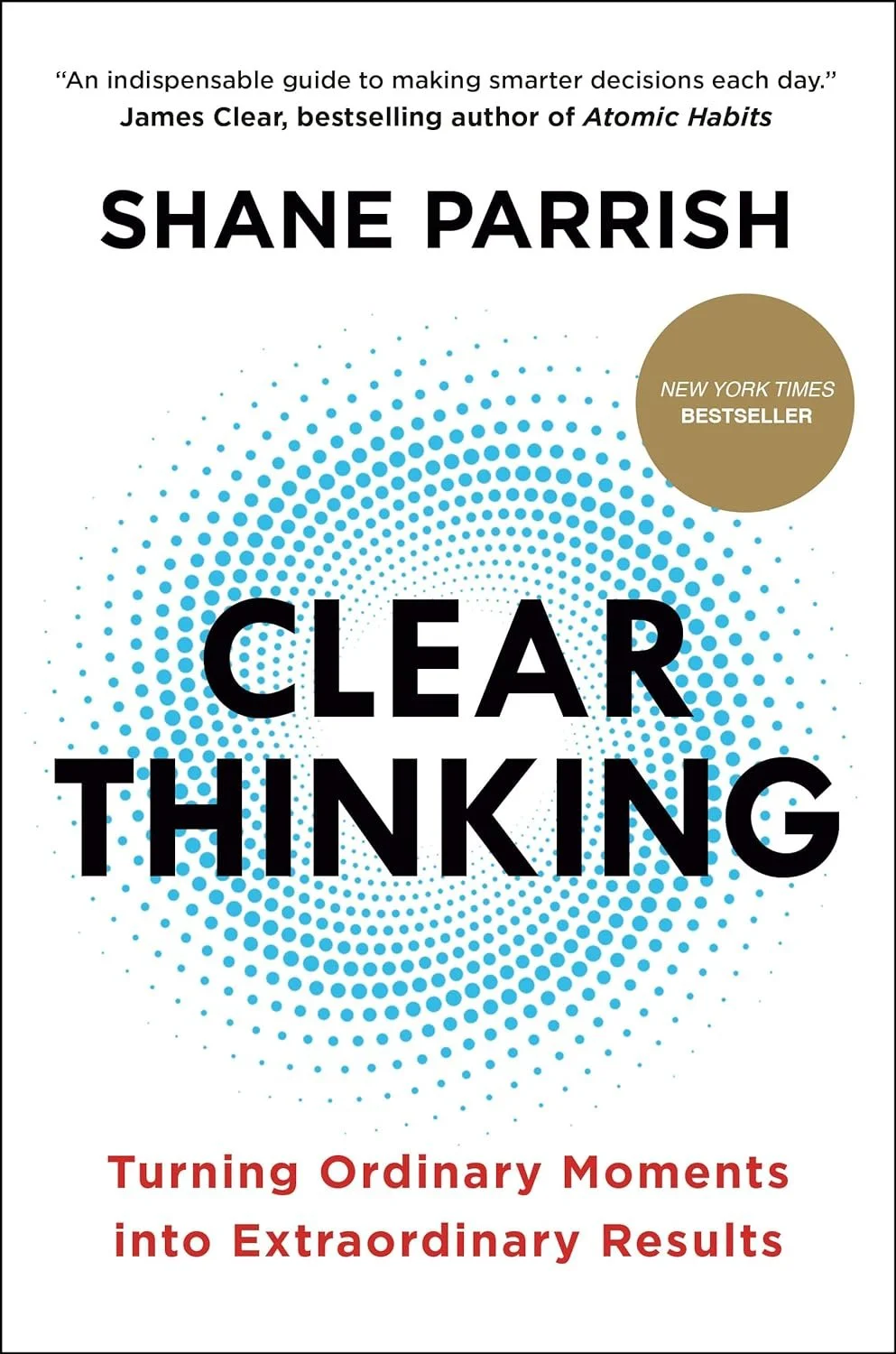
Clear Thinking | Shane Parrish
Why it is here: The manual for avoiding catastrophe.
Parrish argues that most results aren't determined by our smart decisions, but by our ability to avoid unforced errors in moments of pressure.
He focuses on "Positioning"—setting up your life so you aren't forced into bad choices by circumstance.
We include this as the "defense" counterpart to Flow.
While Flow is about offense, Clear Thinking is about ensuring you stay in the game long enough to win.
It brings the wisdom of the "Farnam Street" mental models into a practical guide for navigating daily chaos.
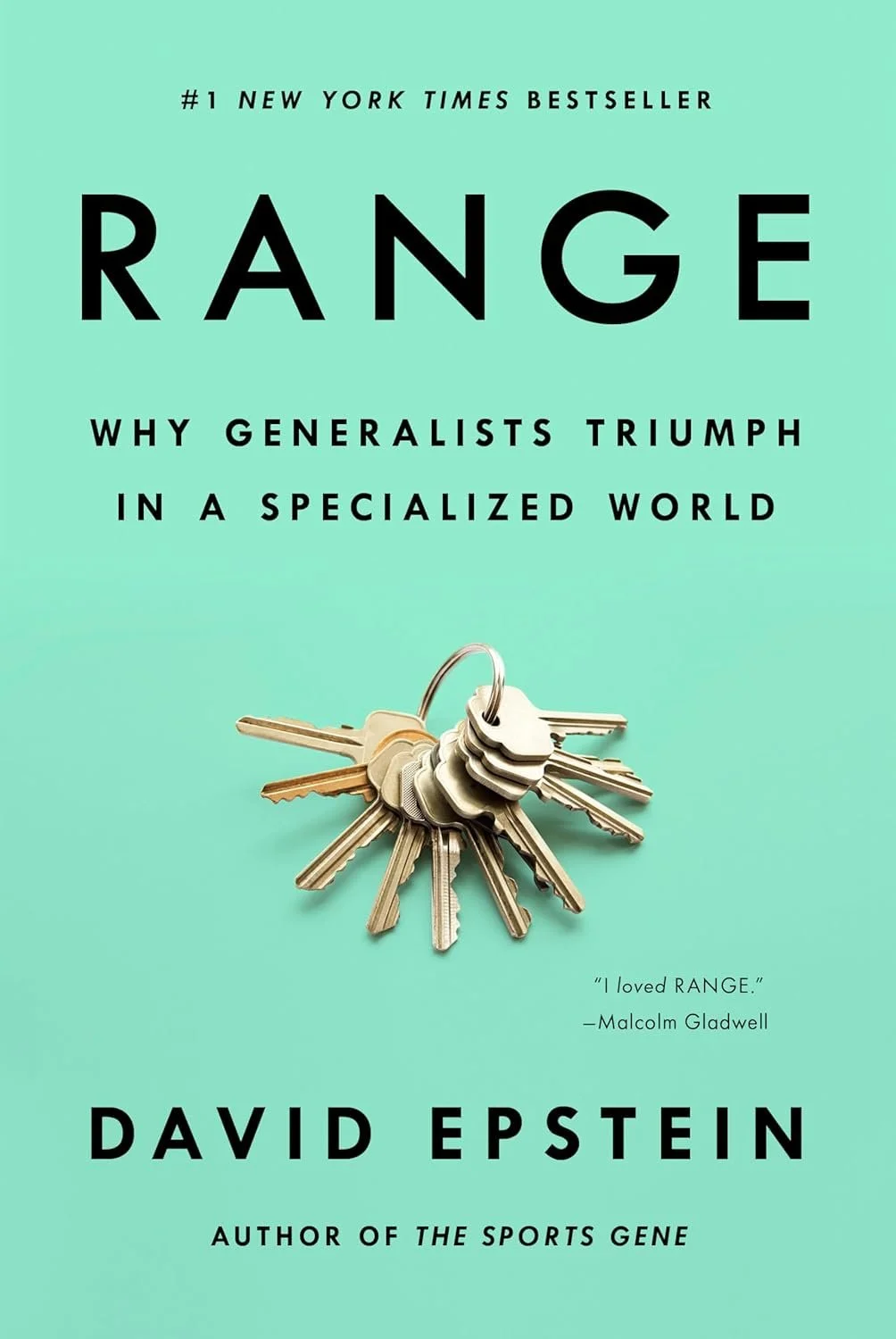
Range | David Epstein
Why it is here: The defense of the "Jack of All Trades."
Epstein uses data to prove that in "Wicked Domains" (messy, unpredictable environments like the future), hyper-specialists fail because they rely on pattern matching from the past.
Generalists thrive because they can draw analogies from different fields.
We include this to validate the "eclectic" leader.
It argues that your "wasted time" in other careers or hobbies is actually your greatest adaptive asset.
It encourages cross-pollination, proving that the most robust solutions come from combining disparate ideas.
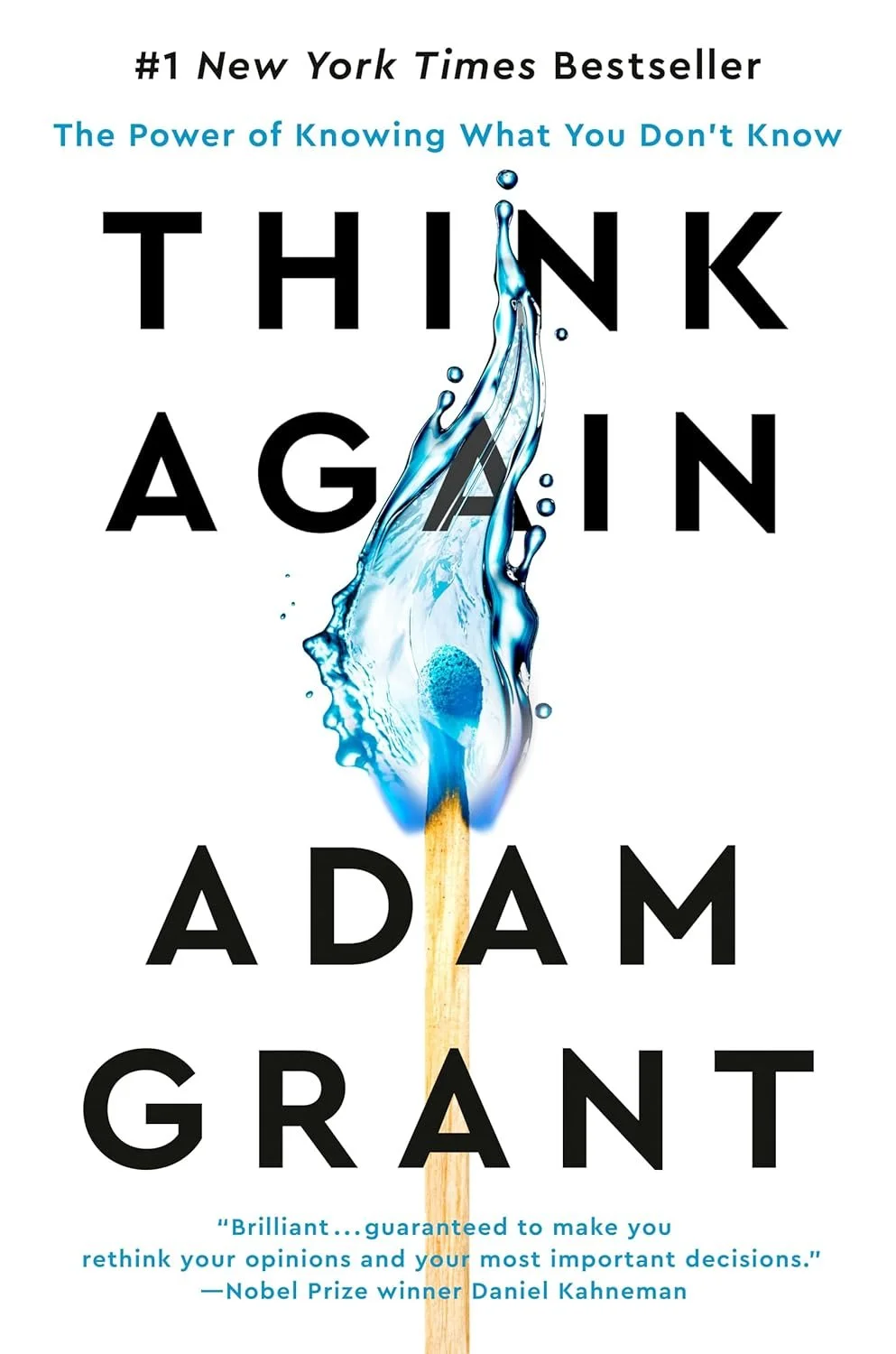
Think Again | Adam Grant
Why it is here: The manual for cognitive agility.
In a rapidly changing world, the most dangerous trait is certainty. Grant categorizes our thinking into modes:
Preacher (defending beliefs),
Prosecutor (attacking others),
Politician (winning favor), and
Scientist (seeking truth).
We include this to train the "Scientist Mode."
It teaches the specific skill of "Rethinking"—actively seeking disconfirming evidence and updating your mental maps.
It transforms "being wrong" from a failure of intelligence into a sign of learning, which is essential for adaptive flow.
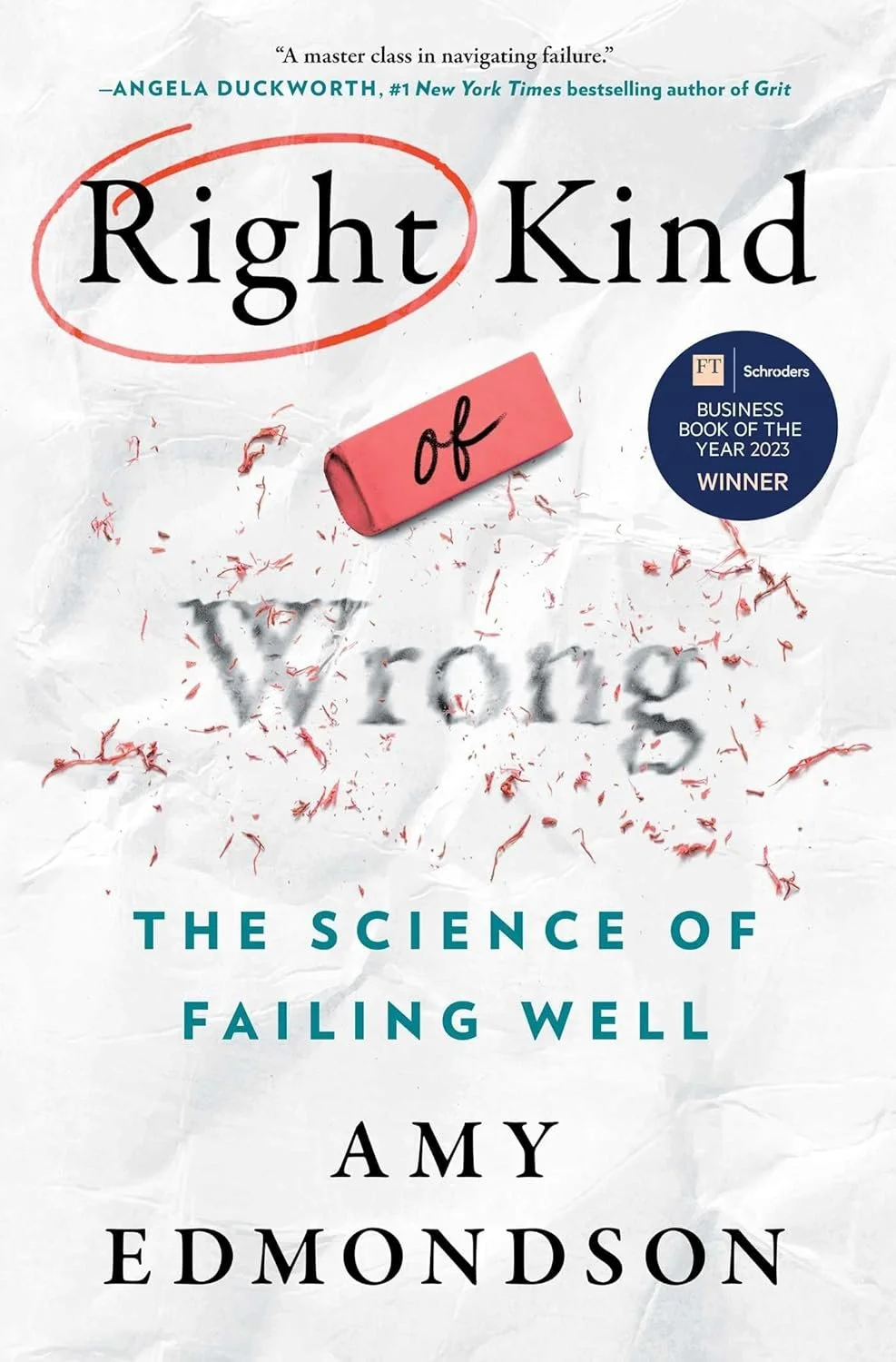
Right Kind of Wrong | Amy Edmondson
Why it is included: Adaptation is not magic; it is a mechanism.
That mechanism is "Intelligent Failure."
Harvard professor Amy Edmondson replaces the vague notion of "learning from mistakes" with a rigorous scientific framework.
She distinguishes between "Basic Failures" (sloppiness), "Complex Failures" (system breakdowns), and "Intelligent Failures" (necessary experiments).
We include this to replace the "soft" view of adaptation with the "hard" science of iteration.
In a transition where no one has the map, our survival depends on the speed of our learning loops.
Edmondson provides the systemic blueprint for how to run those loops safely, proving that the most adaptive systems are not the ones that never fail, but the ones that fail smartest.
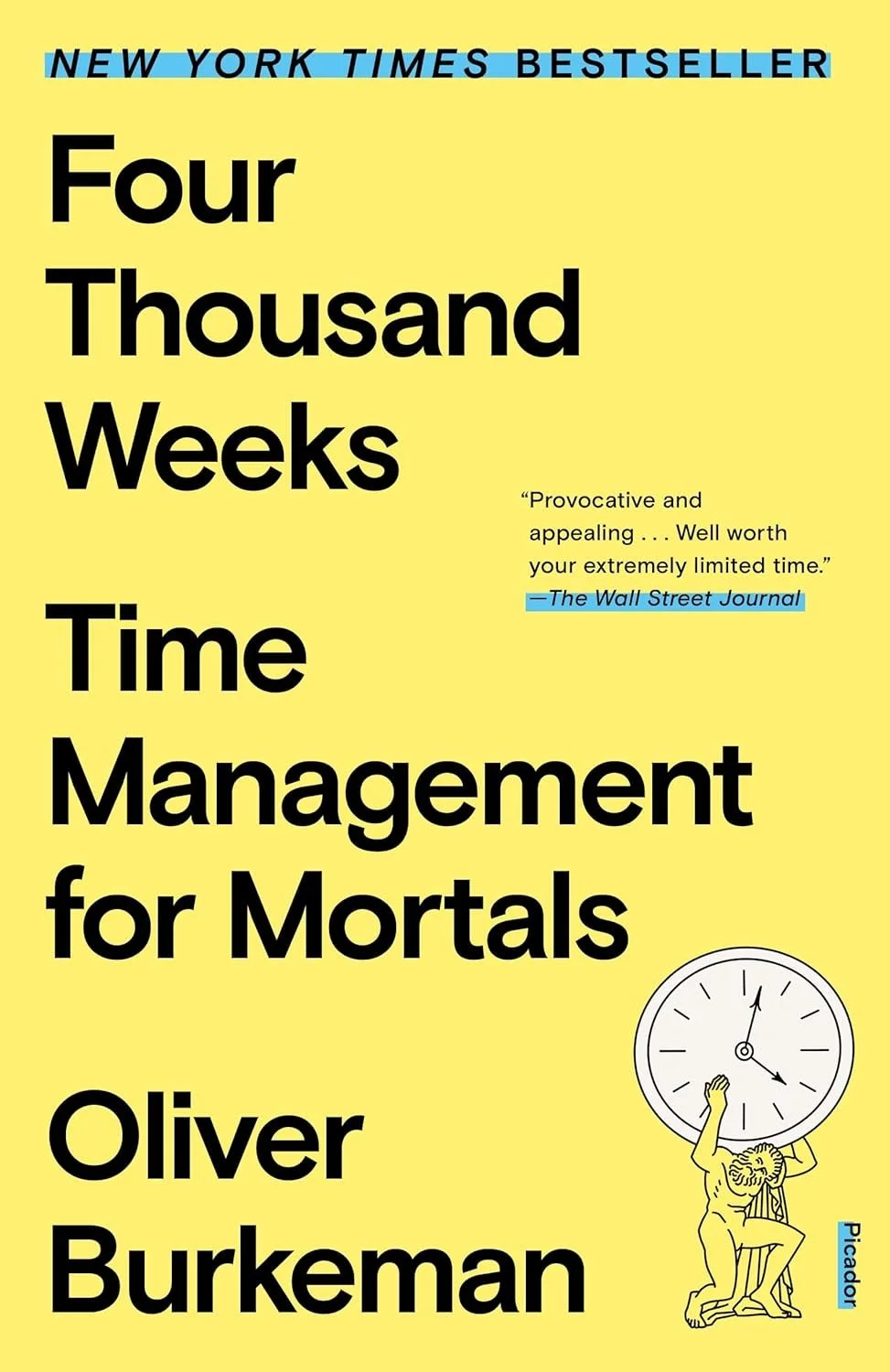
Four Thousand Weeks | Oliver Burkeman
Why it is included: We are obsessed with "efficiency"—the delusion that if we just rush fast enough, we can clear the decks and finally relax.
Burkeman uses rigorous philosophy to prove this is a trap.
We have roughly 4,000 weeks to live. The list will never be done. The more efficient you become, the more work you attract.
We include this to cure "Existential Overwhelm."
Burkeman teaches "Cosmic Humility": the shift from trying to dominate time to simply inhabiting it.
It is "Adaptive Flow" applied to the calendar, arguing that the only way to find peace in a chaotic era is to surrender the need for control, embrace our limits, and fully occupy the present moment.
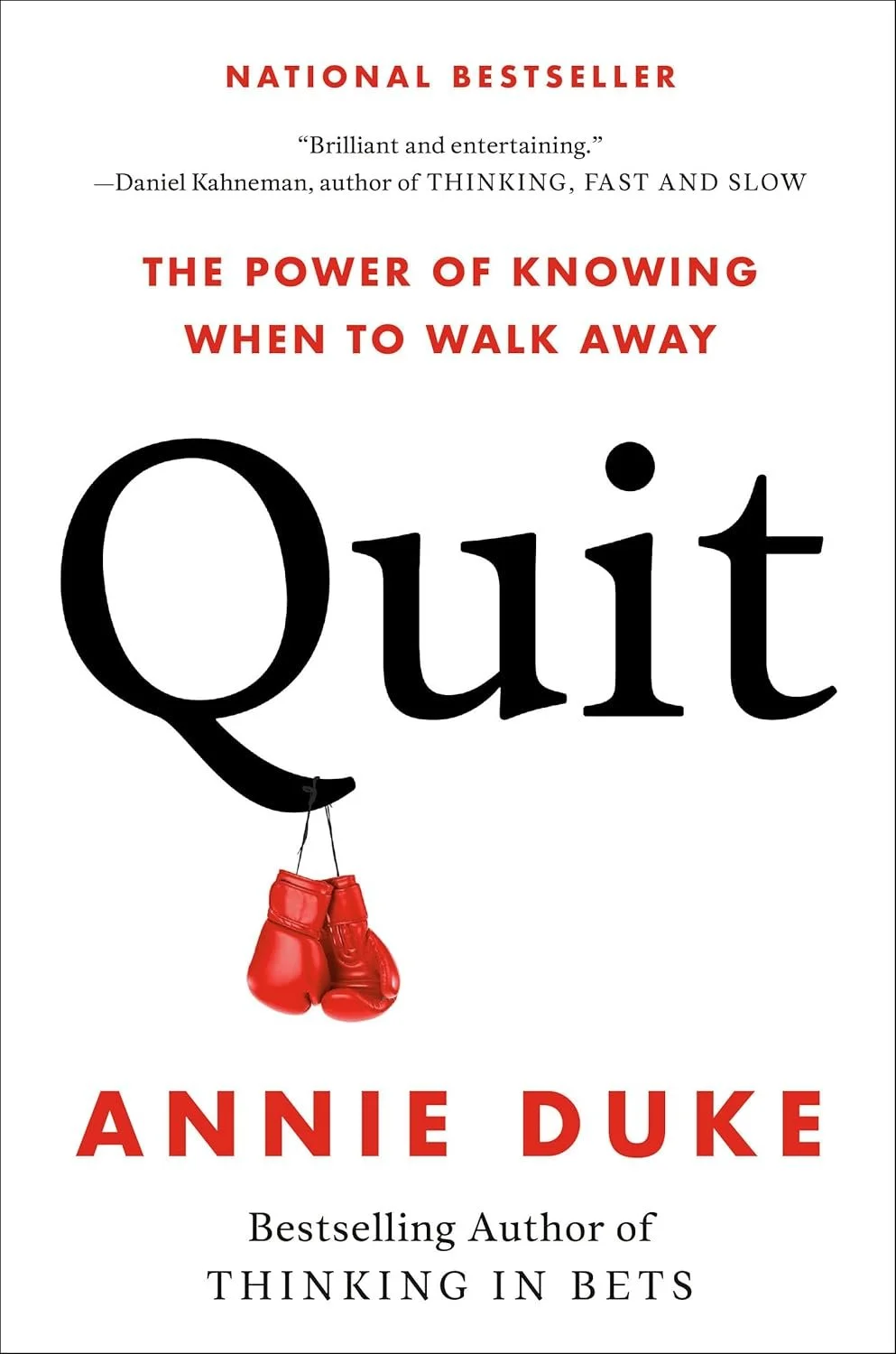
Quit: The Power of Knowing When to Walk Away | Annie Duke
Why it is included: In a stable world, "Grit" is a virtue.
In a volatile world, it can be a death sentence. Annie Duke, a former poker champion and decision scientist, argues that we are biologically wired for the "Sunk Cost Fallacy"—we cling to bad jobs, bad systems, and bad strategies simply because we have already invested in them.
Transition requires Pivoting, not just persistence.
Duke teaches the "Kill Switch" skill: the ability to recognize early when a path is no longer viable and to cut losses fast.
It reframes quitting not as failure, but as a high-speed decision tool essential for preserving resources for the right opportunities.
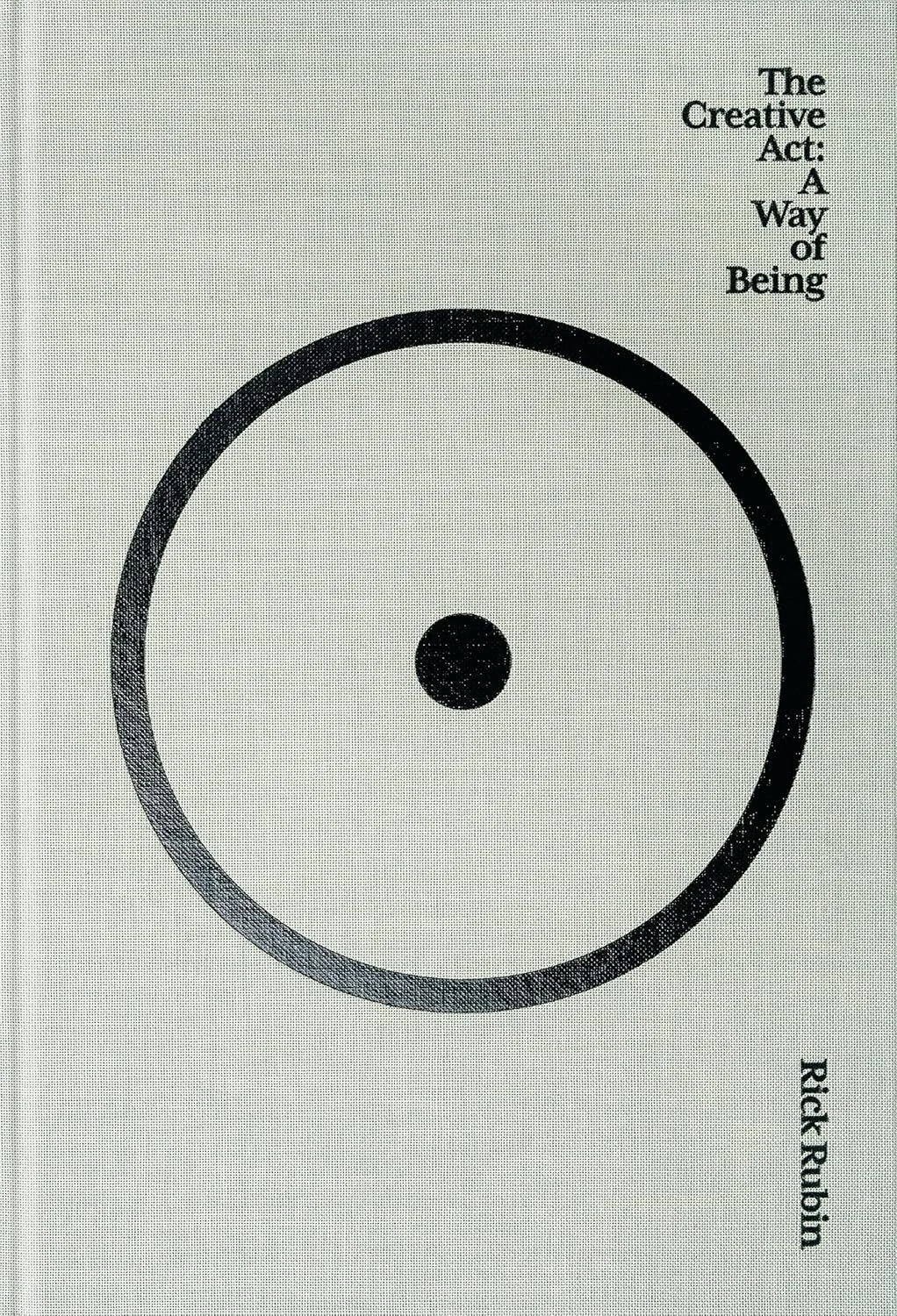
The Creative Act: A Way of Being | Rick Rubin
Why it is included: Rick Rubin strips "Creativity" of its elitism and productivity mandates, framing it instead as a fundamental state of listening.
He argues that the universe is a constant flow of signals, and our only job is to lower our interference filters to receive them. This is not about making art; it is about navigating reality.
We include this as the modern Tao Te Ching.
In a noisy, high-friction world, Rubin provides a manual for Adaptive Listening.
He teaches us how to quiet the ego, tune into the subtle data of the environment, and act with "Wu Wei" (effortless action).
It serves as the bridge between the spiritual and the practical, reminding us that the most adaptive move is often to do less and listen more.
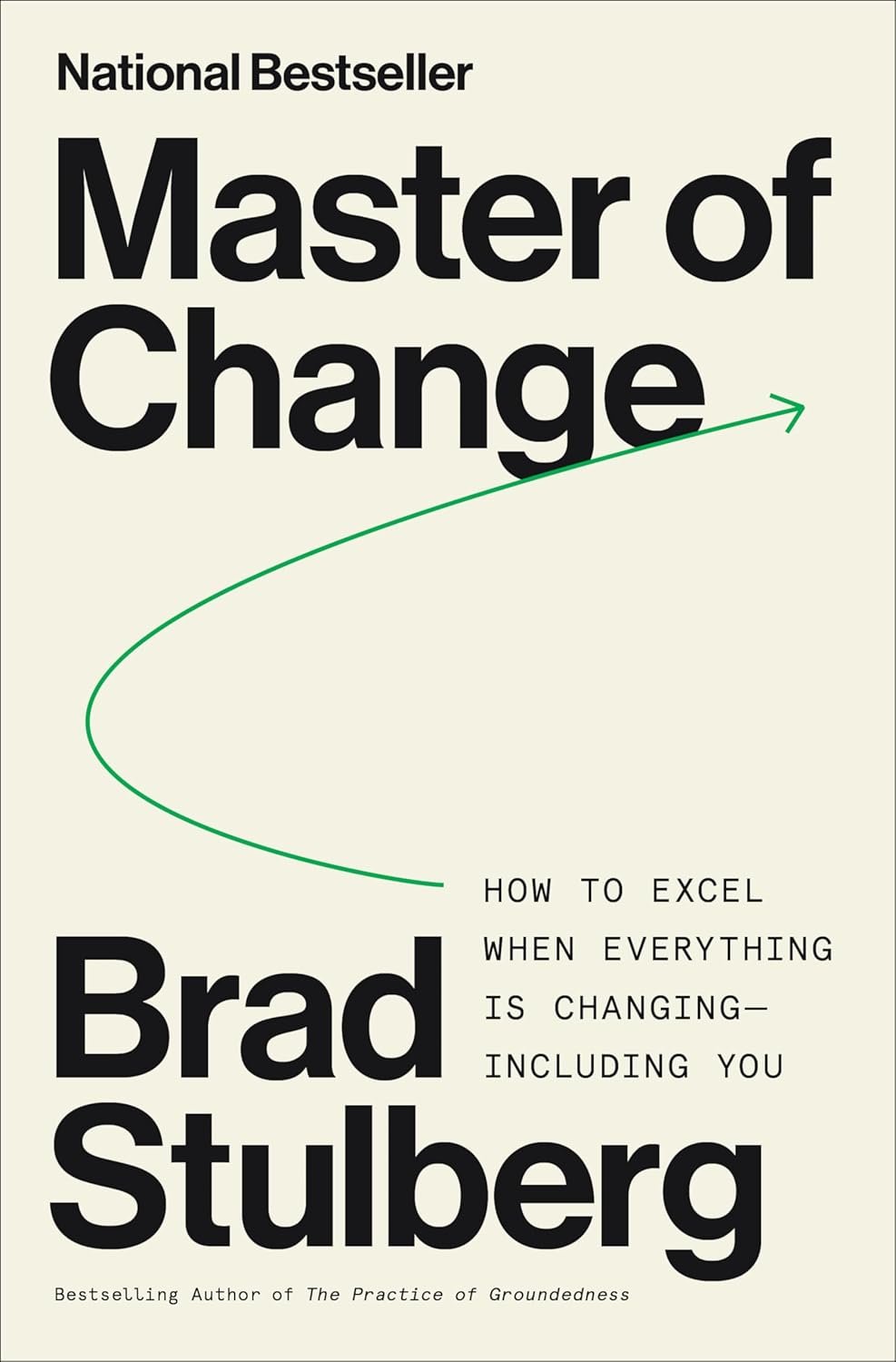
Master of Change | Brad Stulberg
Why it is included: For decades, we defined resilience as "Homeostasis"—the ability to bounce back to exactly who we were before the stressor.
Stulberg argues that in a world of permanent flux, this is biologically impossible.
You cannot go back.
He introduces the updated scientific concept of "Allostasis": achieving stability through change.
We include this because it provides the new operating system for the transition.
Instead of trying to remain rigid, Stulberg combines modern neuroscience with wisdom traditions to teach "Rugged Flexibility."
This framework helps us rearrange our internal identity to match the external chaos, teaching us that thriving happens not by resisting the storm, but by changing our shape to move with it.
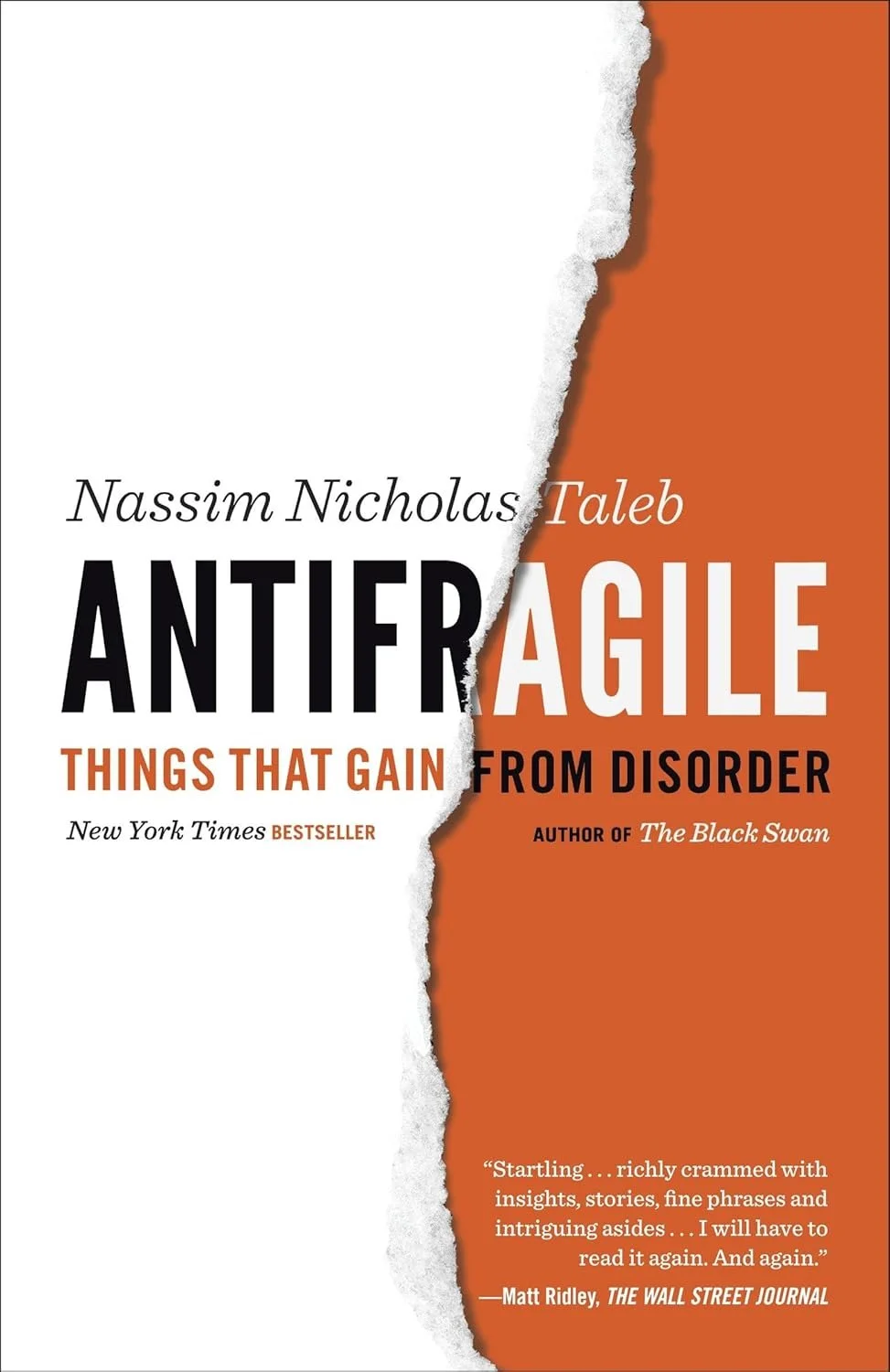
Antifragile | Nassim Nicholas Taleb
Why it is included: Most people think the opposite of "fragile" is "robust."
Taleb argues this is wrong. "Robust" just resists breaking (like a concrete wall).
The true opposite is "Antifragile"—systems that actually gain strength from disorder, stress, and chaos (like the human immune system or a forest fire).
This book is the strategic doctrine for the transition.
We are entering an era of high volatility (climate shocks, market crashes).
If we build "robust" systems (dams, rigid bureaucracies), they will eventually snap.
To survive, we must build "antifragile" systems—decentralized, flexible, and capable of learning from mistakes. It teaches us to stop fearing chaos and start designing for it.
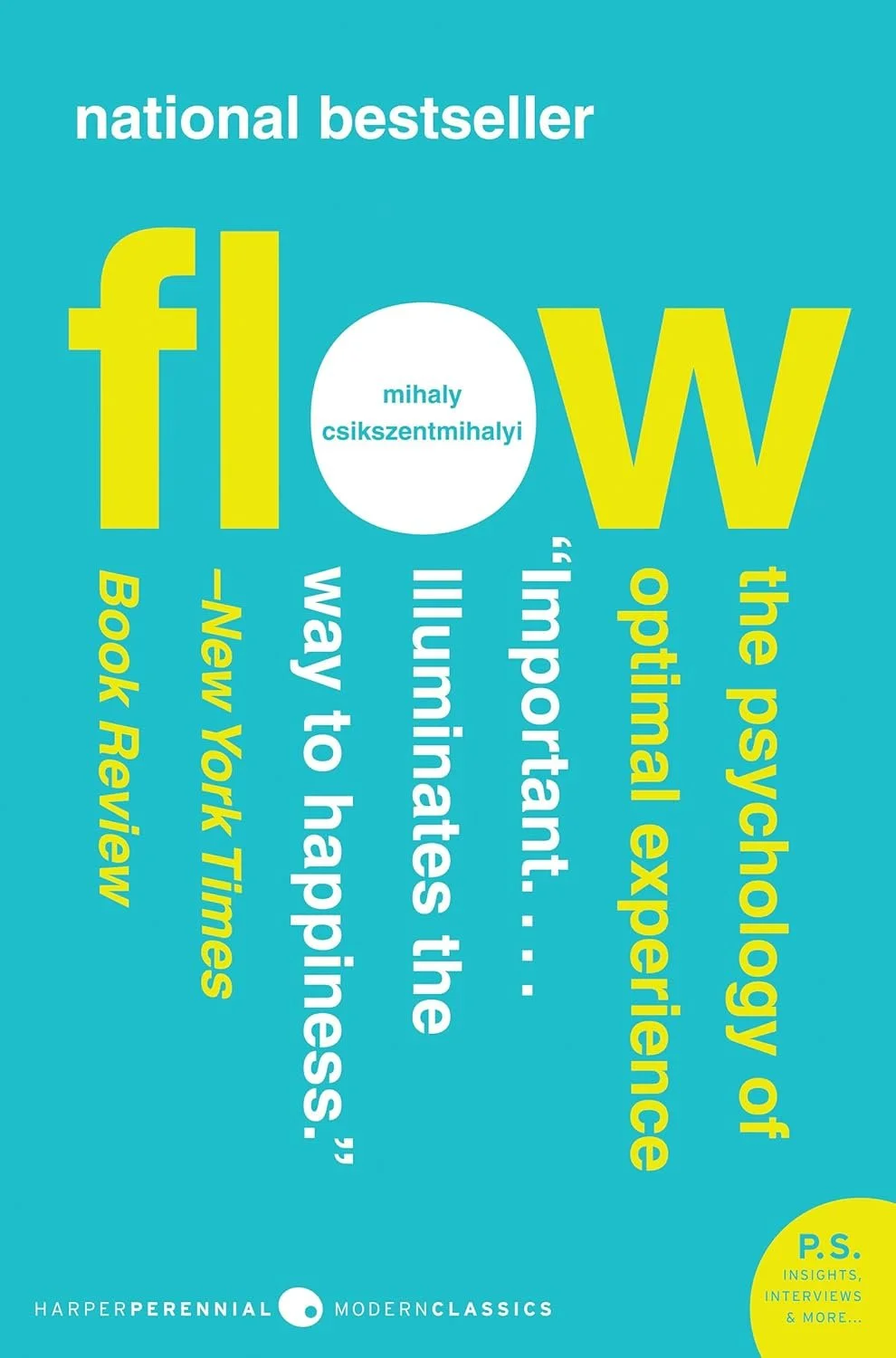
Flow | Mihaly Csikszentmihalyi
Why it is included: Why are we happy? It isn't relaxation.
Csikszentmihalyi’s massive research reveals that humans are happiest when they are stretched to their limits in a voluntary effort to accomplish something difficult and worthwhile.
He calls this state Flow: the point where the "Self" vanishes, time distorts, and action and awareness merge.
It moves the concept of "going with the flow" from a vague spiritual idea to a precise psychological engineering problem.
It provides the 3 Conditions (Clear Goals, Immediate Feedback, and a balance of Challenge and Skill) required to transform any chaotic situation into a structured experience of order and enjoyment.
It is the scientific manual for turning life into a "Unified Field" of experience.