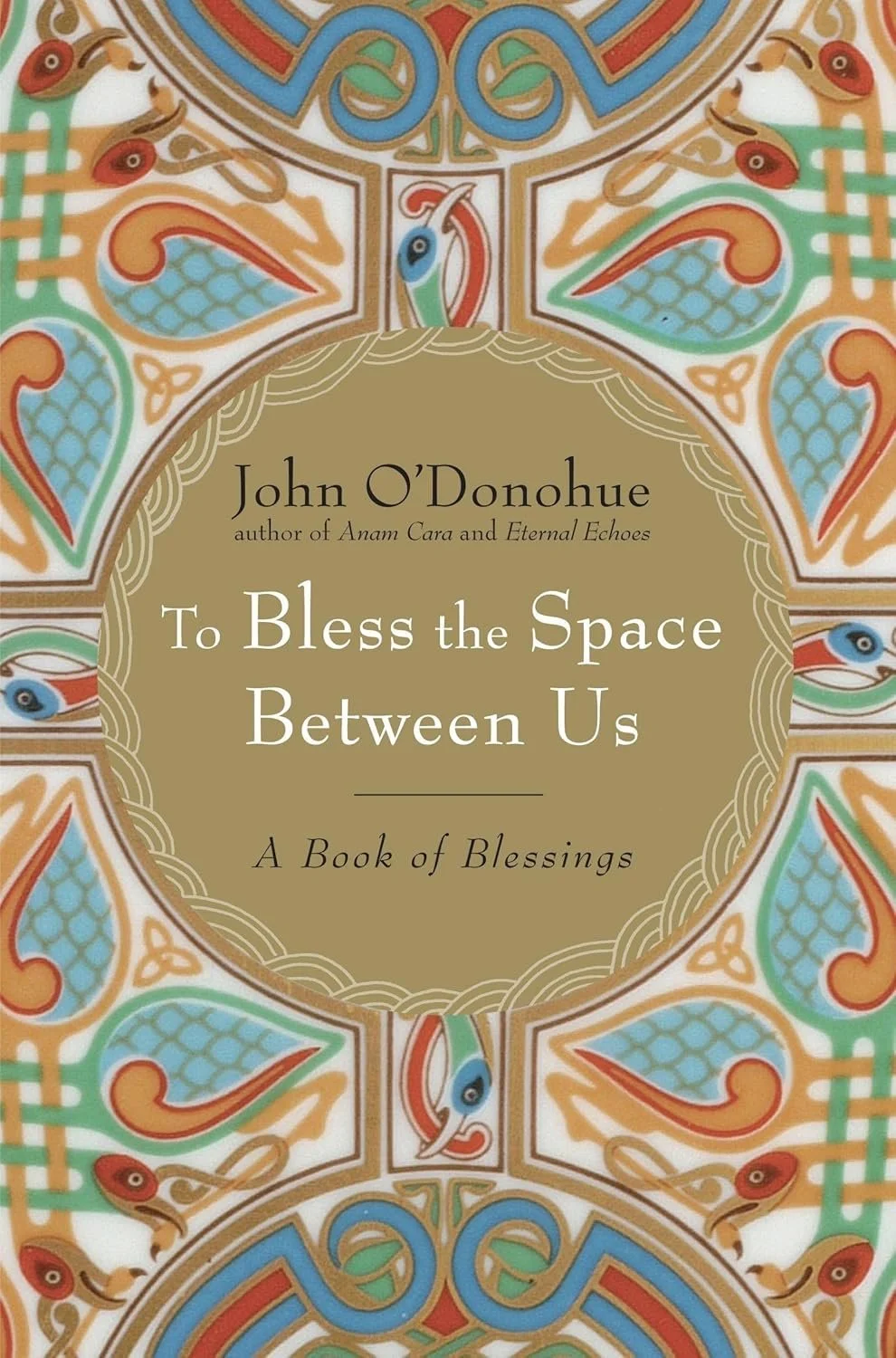
To Bless the Space Between Us | John O'Donohue
Why it is included:
The liturgy for the secular age.
A flourishing civilization needs ceremony.
O'Donohue restores the power of language to consecrate the thresholds of life—new beginnings, failures, conflicts, and grief.
We include this to give the leader the words when policy fails.
It transforms the "Manager" into the "Elder," capable of holding space for the spiritual transitions of their team and community.
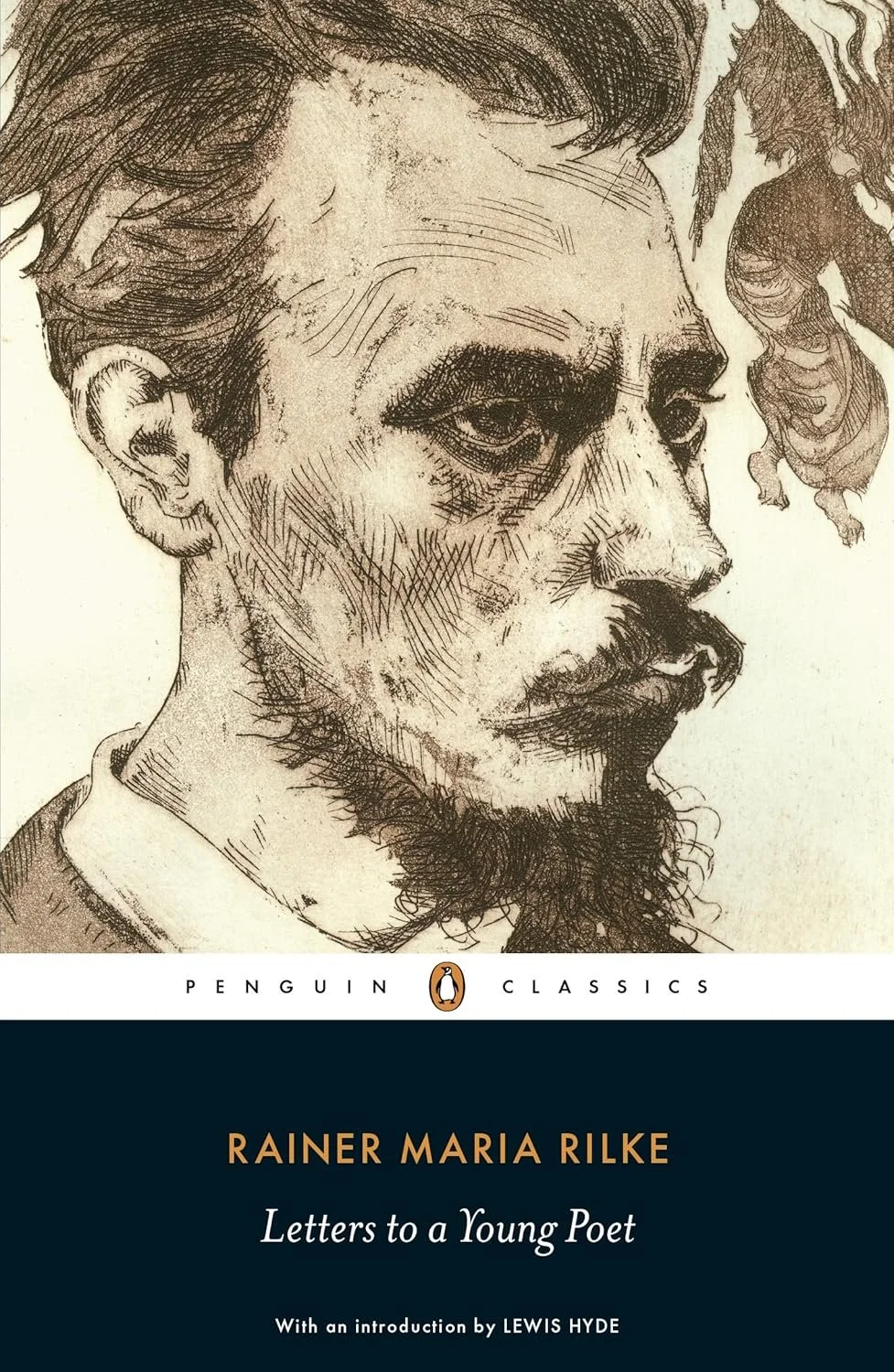
Letters to a Young Poet | Rainer Maria Rilke
Why it is included:
The advice to "live the questions."
In a world demanding instant answers and hot takes, Rilke teaches us to tolerate uncertainty.
He urges us to have patience with all that is unsolved in our hearts and to love the questions themselves.
We include it as a companion for the lonely nights of leadership, reassuring us that confusion is not a failure, but a necessary gestation period for a new truth.
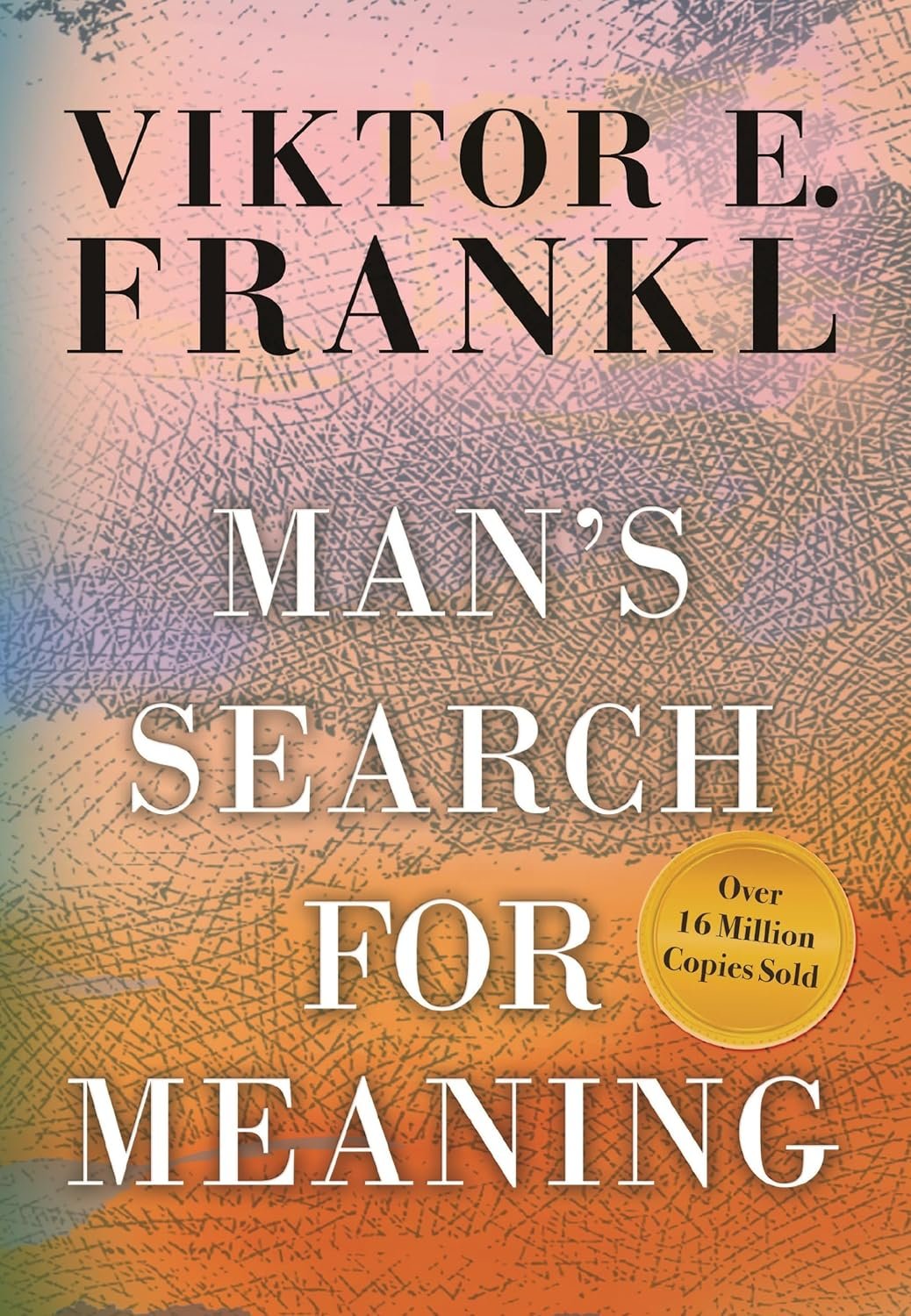
Man's Search for Meaning | Viktor Frankl
Why it is included:
The ultimate proof of human freedom. Frankl, a Holocaust survivor and psychiatrist, argues that humans are driven not by pleasure or power, but by Meaning.
He defines the "last of the human freedoms"—the ability to choose one's attitude in any given set of circumstances.
It anchors the entire library in Responsibility.
It reminds the leader that even if the world collapses around them, they retain the sovereign power to create meaning and serve others.
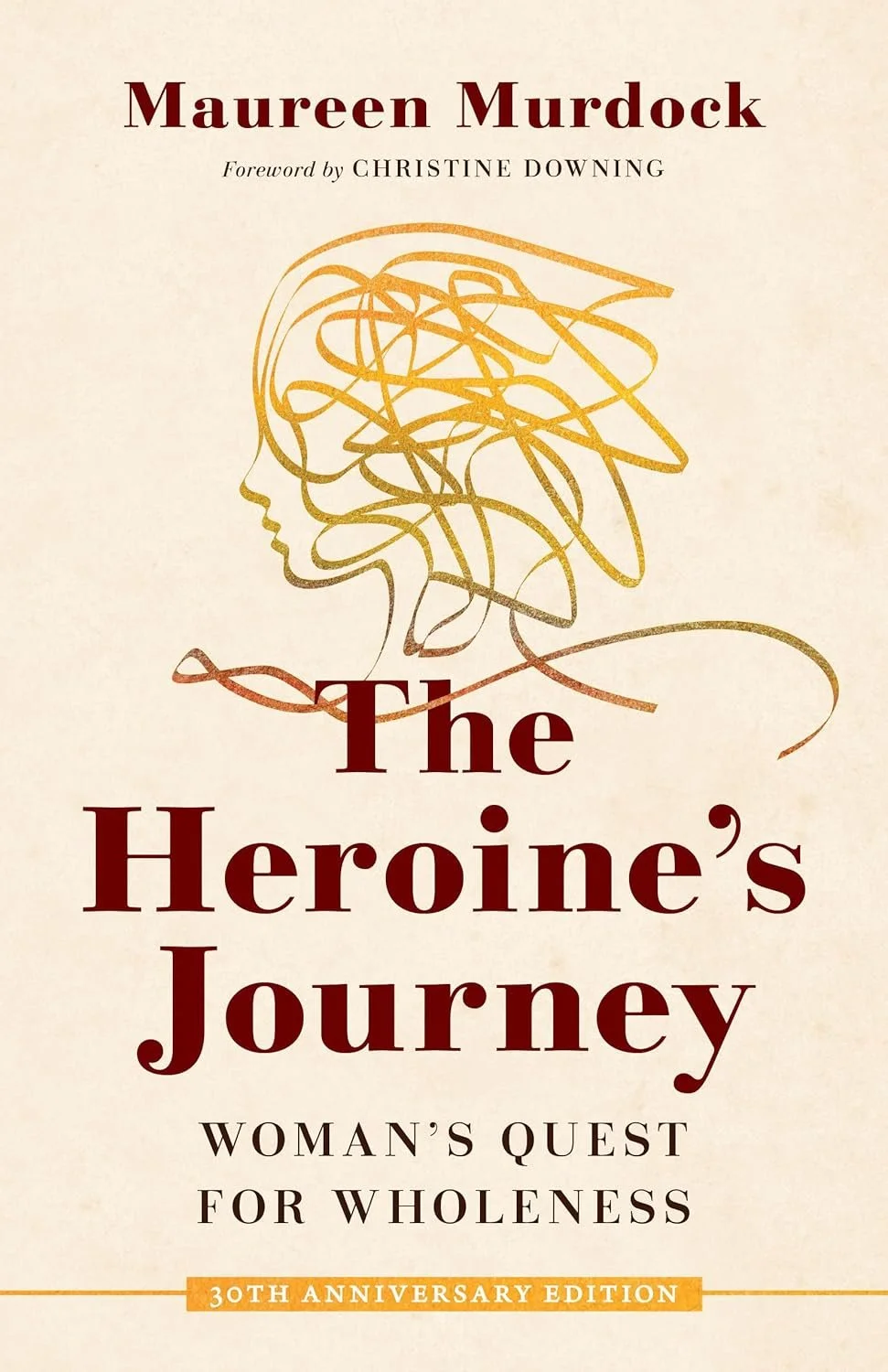
The Heroine's Journey | Maureen Murdock
Why it is included:
The Archetype for Integration.
The traditional "Hero's Journey" (Campbell) is about outward conquest—killing the dragon and bringing back the treasure.
The "Heroine's Journey" is about the inward descent to reclaim the parts of ourselves we discarded to "make it" in the world.
We include this because we are often stuck in the "exhaustion of success."
This map provides the route home: validating the need to stop conquering and start integrating, moving from "Success" to "Wholeness."
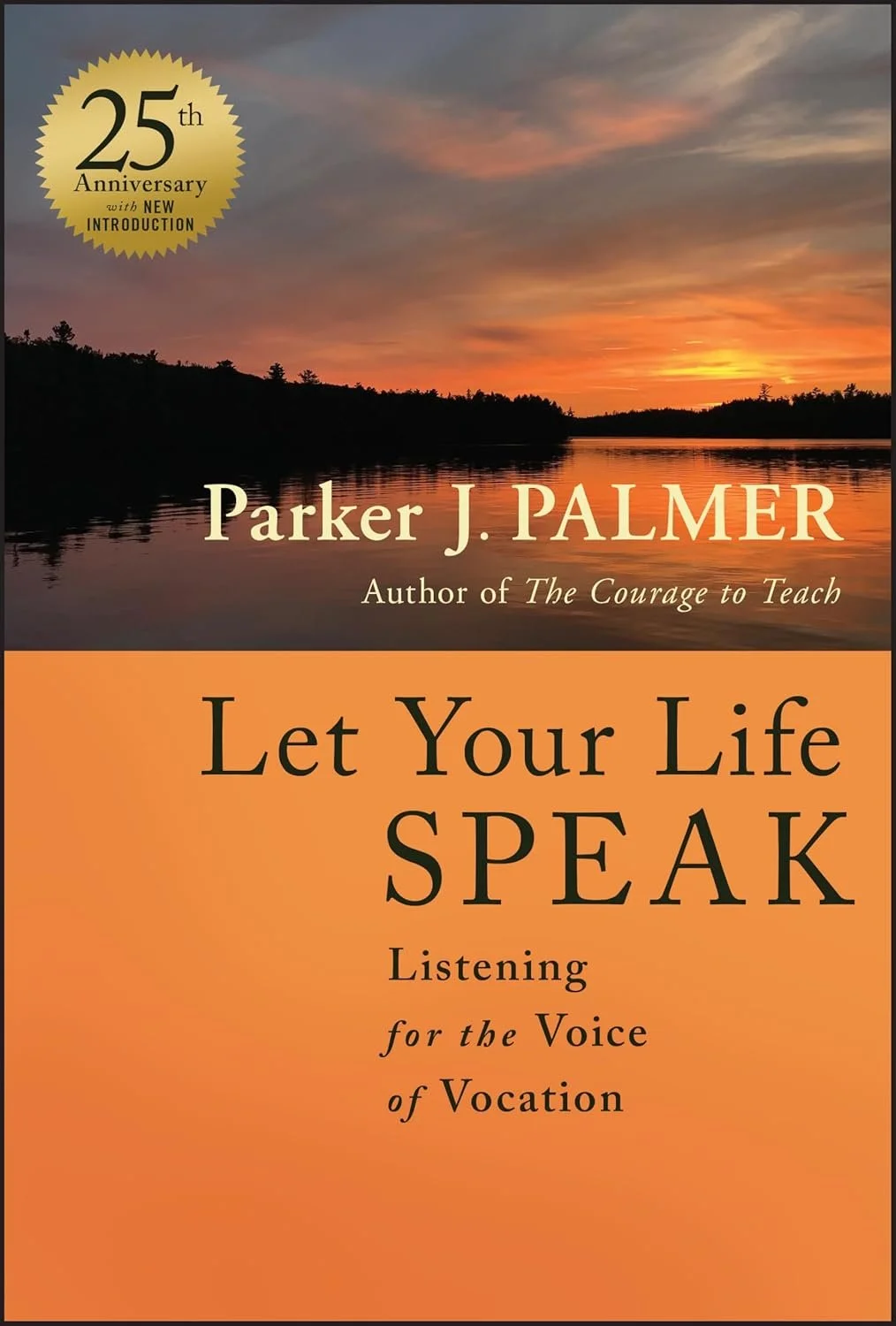
Let Your Life Speak | Parker Palmer
Why it is included:
The manual for "Ecological Leadership." Palmer argues that "Burnout" is not just a result of working too hard; it is a result of working in a way that violates your nature.
He distinguishes between a "job" (an economic role) and a "vocation" (a calling that emerges from one's identity).
We include this to teach the user to listen to their life rather than force it.
It is the guide to leading in a way that is regenerative—where your service to the world actually replenishes your own energy reserves.
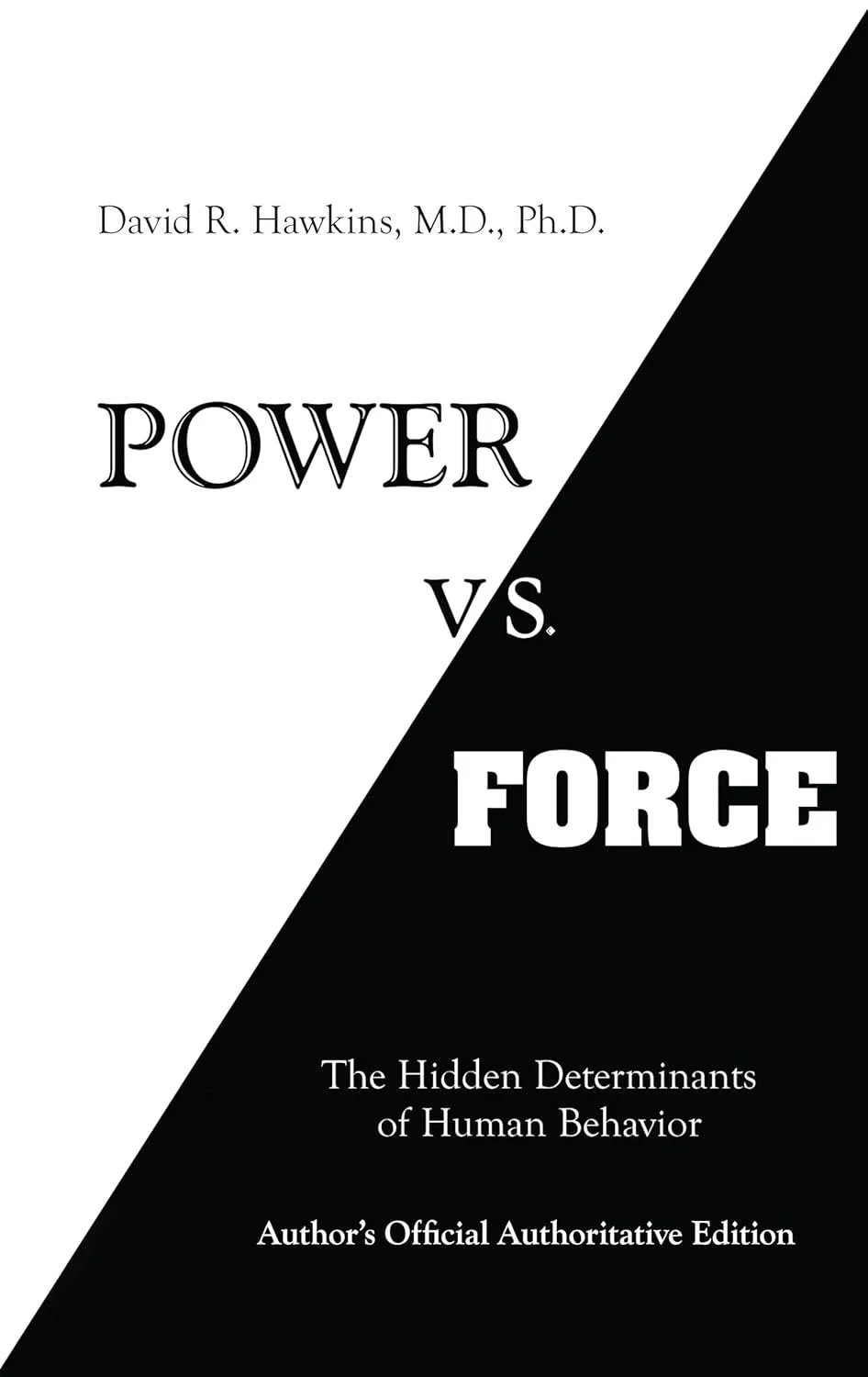
Power vs. Force | David R. Hawkins
Why it is here:
The physics of influence. Hawkins distinguishes between
Force (trying to control outcomes through effort, coercion, and adrenaline) and
Power (aligning with truth, courage, and attractor fields).
It provides a logarithmic scale for leadership, helping the user diagnose their own operating state.
It teaches that "burnout" is usually a symptom of using Force (pushing against reality) rather than Power (aligning with it). It is the essential diagnostic tool for conserving the leader's energy.
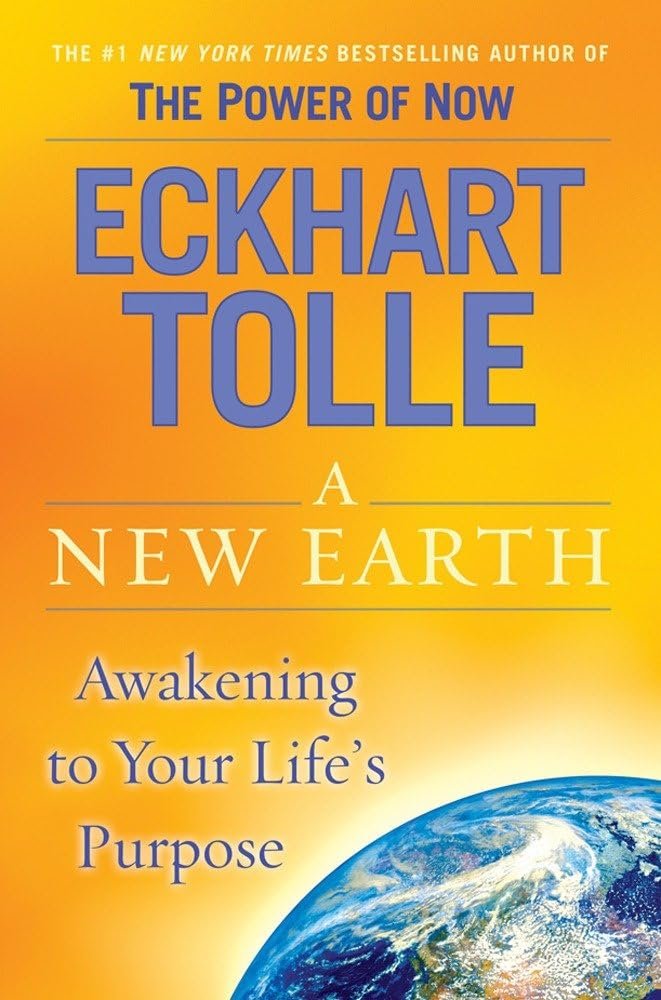
A New Earth | Eckhart Tolle
Why it is included:
This is the diagnostic manual for the "Collective Ego."
Tolle explicitly defines the mechanics of the "Ego" and the "Pain Body"—the repetitive thought loops of grievance, superiority, and fear that drive conflict.
It serves as the essential "Software Patch" for the leader.
It teaches that true intelligence (and the ability to build a regenerative world) only arises when we step out of the stream of compulsive thinking and access "Presence."
It frames the transition to a sustainable future not as a political struggle, but as a shift in consciousness.
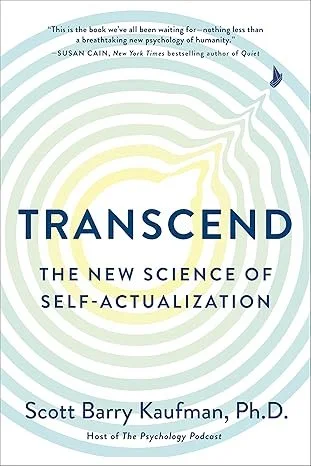
Transcend | Dr. Scott Barry Kaufman
Why it is here:
The upgrade to Maslow.
Kaufman uses modern psychology and Maslow’s unpublished journals to retire the famous "Pyramid" of needs.
He replaces it with the "Sailboat."
The hull represents Security (Safety, Connection, Self-Esteem)—you need a leak-proof hull to stay afloat.
The sail represents Growth (Exploration, Love, Purpose)—you need to open the sail to move.
We include this because it integrates the "Safety" needs of Grounded Vitality with the "Growth" needs of Luminous Authenticity.
It provides a rigorous, secular framework for becoming a whole person.

The Surrender Experiment | Michael A. Singer
Why it is included:
The practical application of "Flow" to high-stakes reality.
Singer (a CEO who built a billion-dollar public company) describes his 40-year experiment of simply saying "Yes" to whatever life put in front of him, dropping his personal preferences and ego.
We include this to prove that "surrender" is not a passive act, but a high-performance strategy.
It shifts the leader from "Controller" to "Participant," allowing them to leverage the chaotic intelligence of life rather than fighting it.

The Four Agreements | Don Miguel Ruiz
Why it is included:
The Code of Conduct.
It offers four non-negotiable agreements for the Sovereign Self:
1. Be Impeccable With Your Word,
2. Don't Take Anything Personally,
3. Don't Make Assumptions,
4. Always Do Your Best.
In an age of digital noise and "cancel culture," this is the shield that protects our integrity and psychic energy.
It simplifies the complex ethics of leadership into a daily practice of personal freedom.

Trusting the Gold | Dr. Tara Brach
Why it is here:
The core metaphor of the Soul. Brach tells the story of the heavy clay statue that, when cracked, revealed solid gold underneath.
The clay represents our defenses, fears, and ego; the gold represents our innate goodness and awareness. We include this to shift the leader's internal work from "Fixing" to "Revealing."
It teaches the leader that they do not need to "become" a better person; they simply need to learn to trust the luminous intelligence that is already there, beneath the armoring of the role.
Ceremony | Brianna Wiest
Why it is included:
The Antidote to the Grind. While O'Donohue covers the major life thresholds,
Wiest covers the Tuesday morning coffee.
She argues that the way we survive the chaos of modern life is by turning "routines" into "ceremonies."
We include it to anchor the "Luminous" state in the actual minutes of the day.
It teaches the leader to stop waiting for the "Big Win" to feel alive and instead to consecrate the mundane, finding the sacred in the ordinary workflow.

The Gifts of Imperfection | Dr. Brené Brown
Why it is included:
The manual for "Wholehearted Living."
While Brach focuses on the internal feeling, Brown focuses on the daily behavior.
She moves Authenticity from a buzzword to a disciplined practice. Based on thousands of data points, she identifies the specific blocks to connection—perfectionism, numbing, and exhaustion-as-status.
This book is included as a practical guide to resilience.
It teaches the leader that vulnerability is not weakness; it is the accurate measurement of courage. It provides the "10 Guideposts" to help high-performers let go of who they think they should be and embrace who they actually are, preventing the burnout that comes from "hustling" for worthiness.

Seeding Consciousness | Tricia Eastman
Why it is here:
The bridge to ancestral technology.
While David Nutt (Section M) explains the chemistry of psychedelics, Eastman explains the ceremony.
She frames plant medicine not as a biohack, but as a "Dieta"—a relationship with a living intelligence.
We include this to honor the indigenous roots of the psychedelic renaissance.
It teaches us that true "expansion" requires Reciprocity—we don't just "take" wisdom from the earth; we must give back reverence and stewardship.
It acts as the guide for the "Modern Elder" navigating altered states.

Owning Your Own Shadow | Robert A. Johnson
Why it is included: The most critical safety mechanism in the entire library.
Johnson, a renowned Jungian analyst, explains that the "Shadow" is not evil; it is simply the unlived life and traits we repress to fit into society.
The danger arises when a leader denies their shadow, inevitably projecting it onto their enemies or competitors.
We include this to prevent "righteous leadership."
This book teaches us to "eat their own shadow"—to integrate their own capacity for selfishness or aggression—so they do not act it out unconsciously on the world stage.

The Flowering Wand: Rewilding the Sacred Masculine | Sophie Strand
Why it is included:
The "Ecological Male." A flourishing civilization will not exist with toxic masculinity (dominance/extraction).
Strand offers a radical alternative: she re-reads the ancient myths (Dionysus, Merlin) to find a masculinity that is rooted, fungal, and regenerative.
Instead of the "Warrior" who conquers nature, she offers the "Magician" who collaborates with it.
It serves as the necessary counterpart to Estés, ensuring that our vision of leadership heals both the masculine and feminine energies within the leader.

The Little Prince | Antoine de Saint-Exupéry
Why it is included:
The Wisdom.
"It is only with the heart that one can see rightly; what is essential is invisible to the eye."
This book sits on the shelf to remind the sophisticated leader that the metrics (KPIs, GDP, ROI) are not the reality.
It protects the "Inner Child" from the cynicism of the "Grown-Ups," ensuring that our future is built on love, connection, and "taming" (establishing ties), rather than just efficiency.

The Book of Five Rings | Miyamoto Musashi
Why it is included:
The "Steel." In a library full of gentle wisdom, Musashi provides the necessary martial edge.
Written by Japan's greatest swordsman just weeks before his death, it is a treatise on strategy, timing, and the "Way of the Void."
We include it to remind the leader that "Luminous Authenticity" is not passive.
It requires the relentless discipline to clear the mind of hesitation, seeing reality exactly as it is without distortion.
It is the manual for "Impeccable Action" in the heat of chaos.
Joyful | Ingrid Fetell Lee
Why it is included:
The "Mental Health Infrastructure."
Lee, a former design director at IDEO, proves that "Joy" is not an abstract vibe; it is a tangible resource triggered by specific environmental cues (color, light, symmetry).
We include this to remind the leader that they are an architect of experience.
It teaches us to build "Joyful Infrastructure"—environments that physically recharge the soul—proving that beauty is not a luxury, but a functional requirement for human thriving.

Women Who Run with the Wolves | Dr. Clarissa Pinkola Estés
Why it is included:
The "Wild Soul."
While Murdock provides the map, Estés provides the fire.
She uses ancient myths to help the reader reconnect with the "Wild Woman" archetype—the instinctual, intuitive nature that civilization tries to tame.
We include it to ensure that "Authenticity" isn't just about being polite or "spiritual"; it is about being fierce, protective, and alive.
It reminds the leader to trust their gut instincts and to protect their creative territory with teeth when necessary.