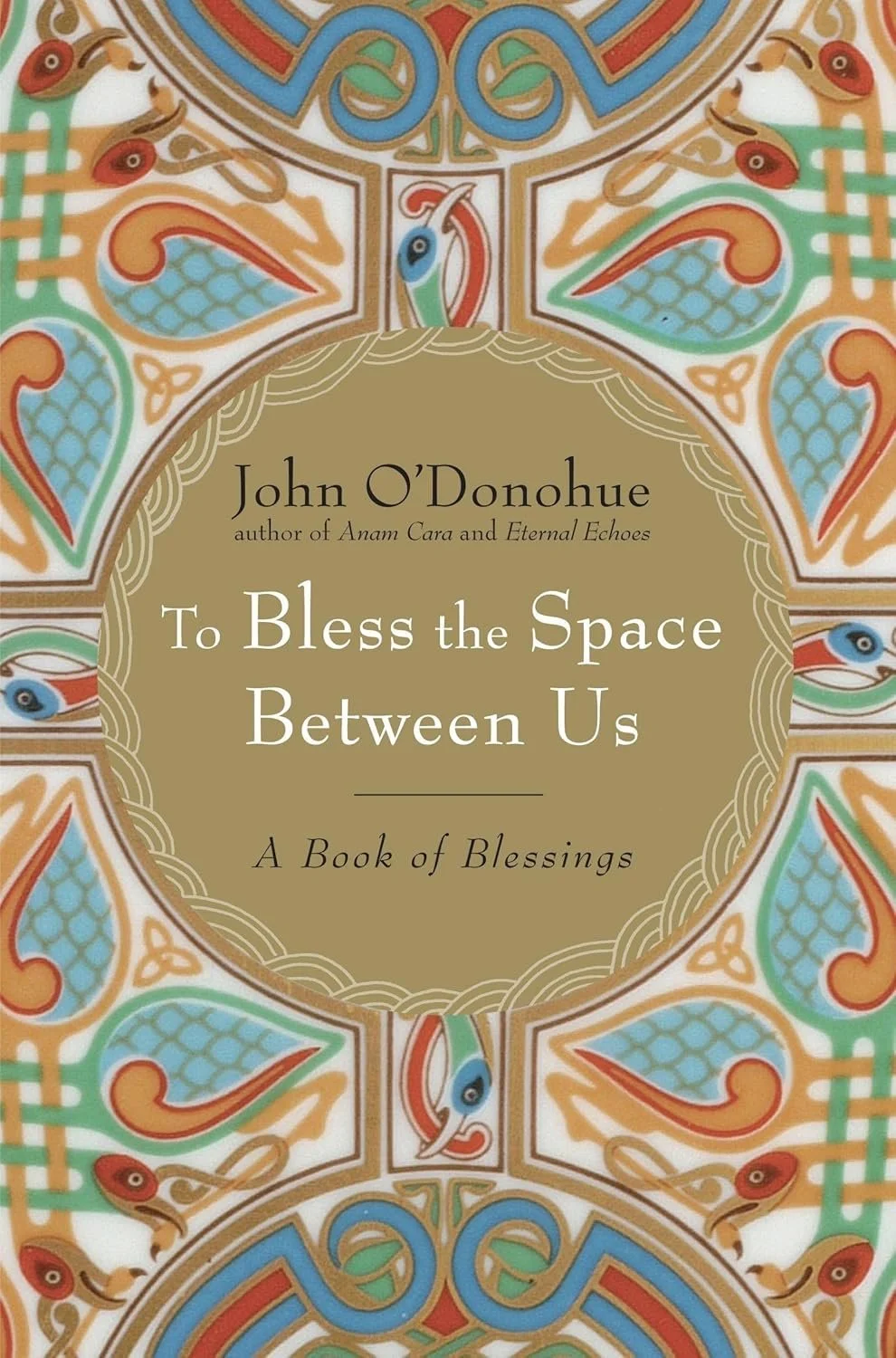
To Bless the Space Between Us | John O'Donohue
Why it is included:
The liturgy for the secular age.
A flourishing civilization needs ceremony.
O'Donohue restores the power of language to consecrate the thresholds of life—new beginnings, failures, conflicts, and grief.
We include this to give the leader the words when policy fails.
It transforms the "Manager" into the "Elder," capable of holding space for the spiritual transitions of their team and community.
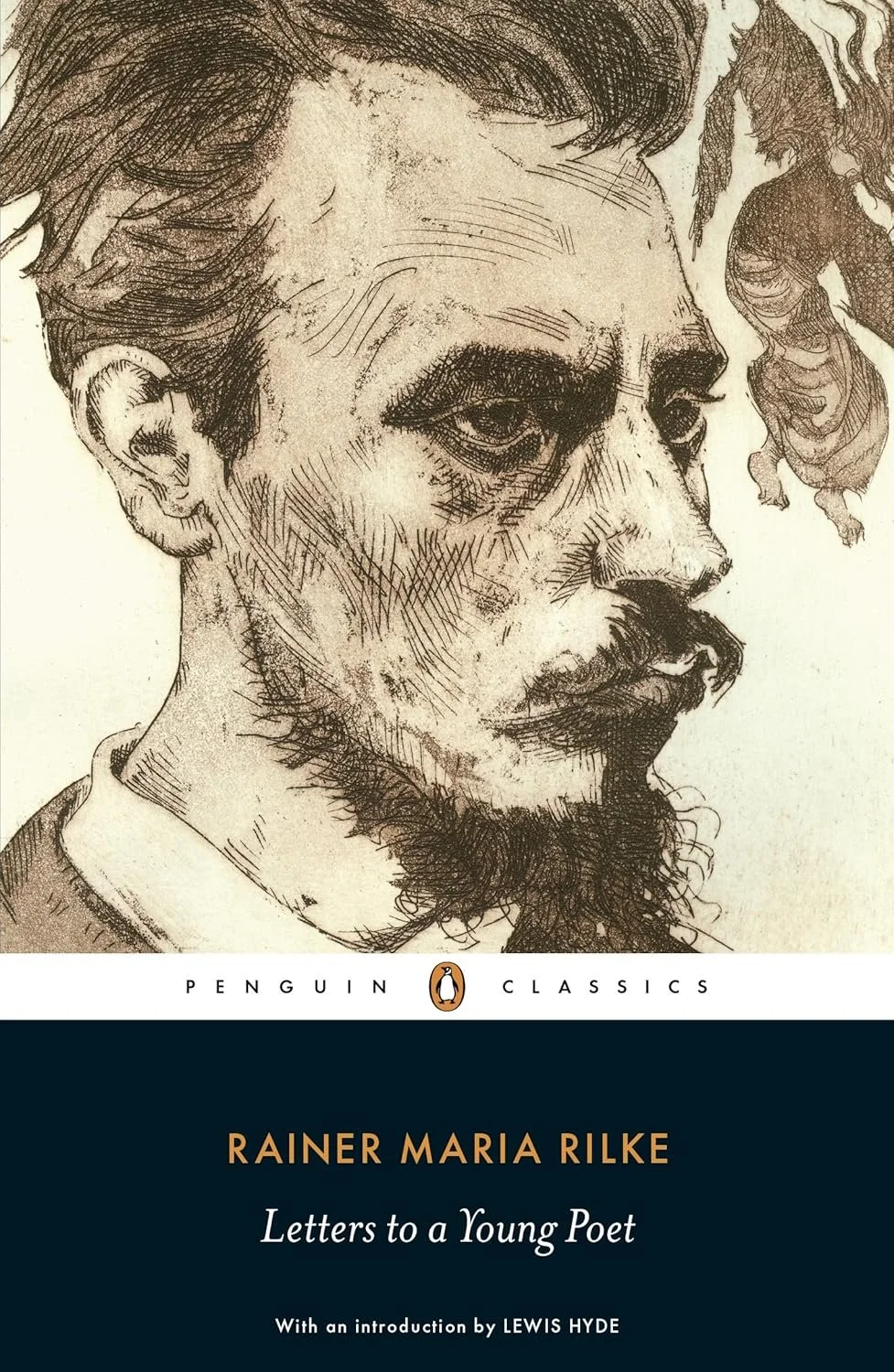
Letters to a Young Poet | Rainer Maria Rilke
Why it is included:
The advice to "live the questions."
In a world demanding instant answers and hot takes, Rilke teaches us to tolerate uncertainty.
He urges us to have patience with all that is unsolved in our hearts and to love the questions themselves.
We include it as a companion for the lonely nights of leadership, reassuring us that confusion is not a failure, but a necessary gestation period for a new truth.
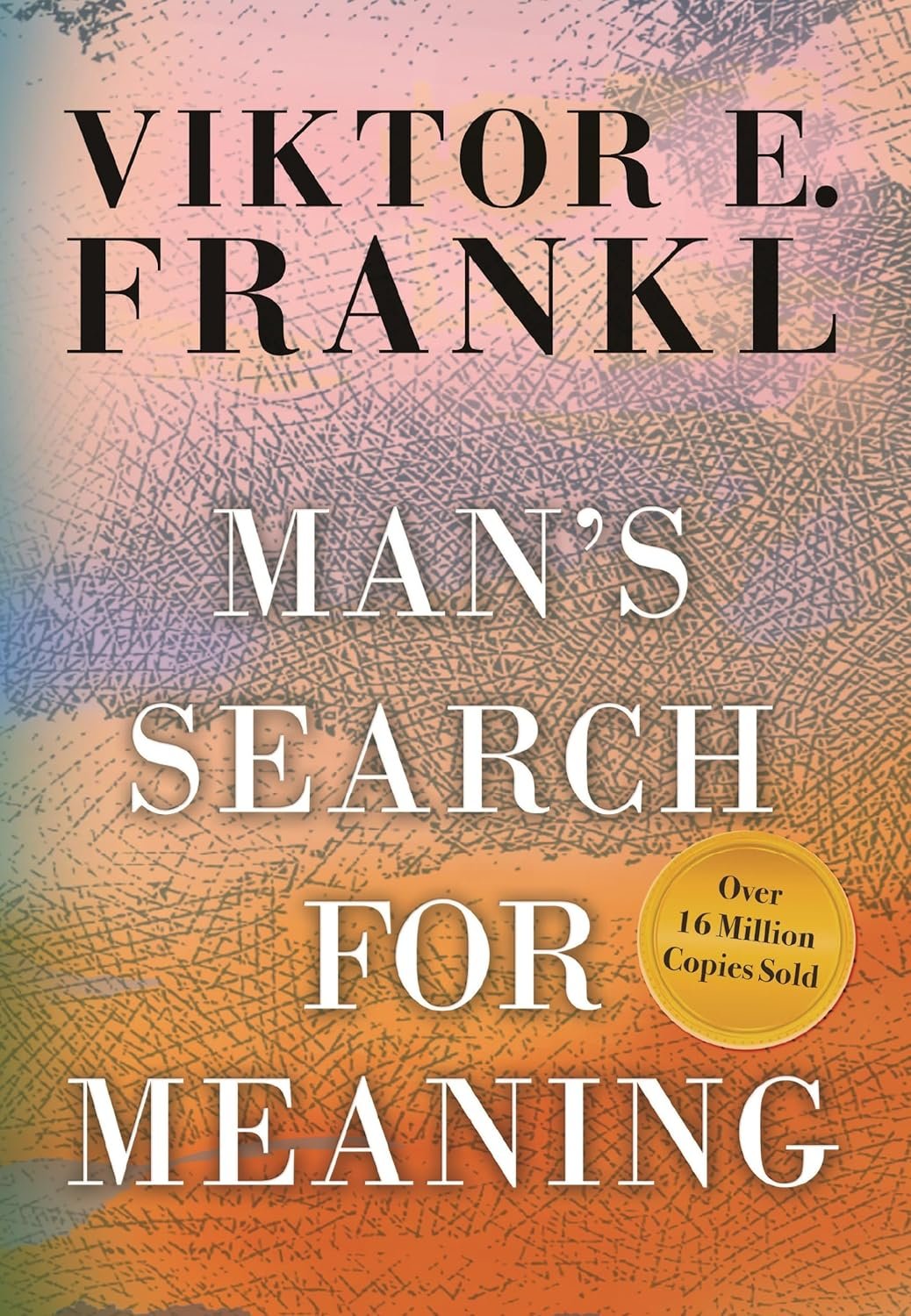
Man's Search for Meaning | Viktor Frankl
Why it is included:
The ultimate proof of human freedom. Frankl, a Holocaust survivor and psychiatrist, argues that humans are driven not by pleasure or power, but by Meaning.
He defines the "last of the human freedoms"—the ability to choose one's attitude in any given set of circumstances.
It anchors the entire library in Responsibility.
It reminds the leader that even if the world collapses around them, they retain the sovereign power to create meaning and serve others.
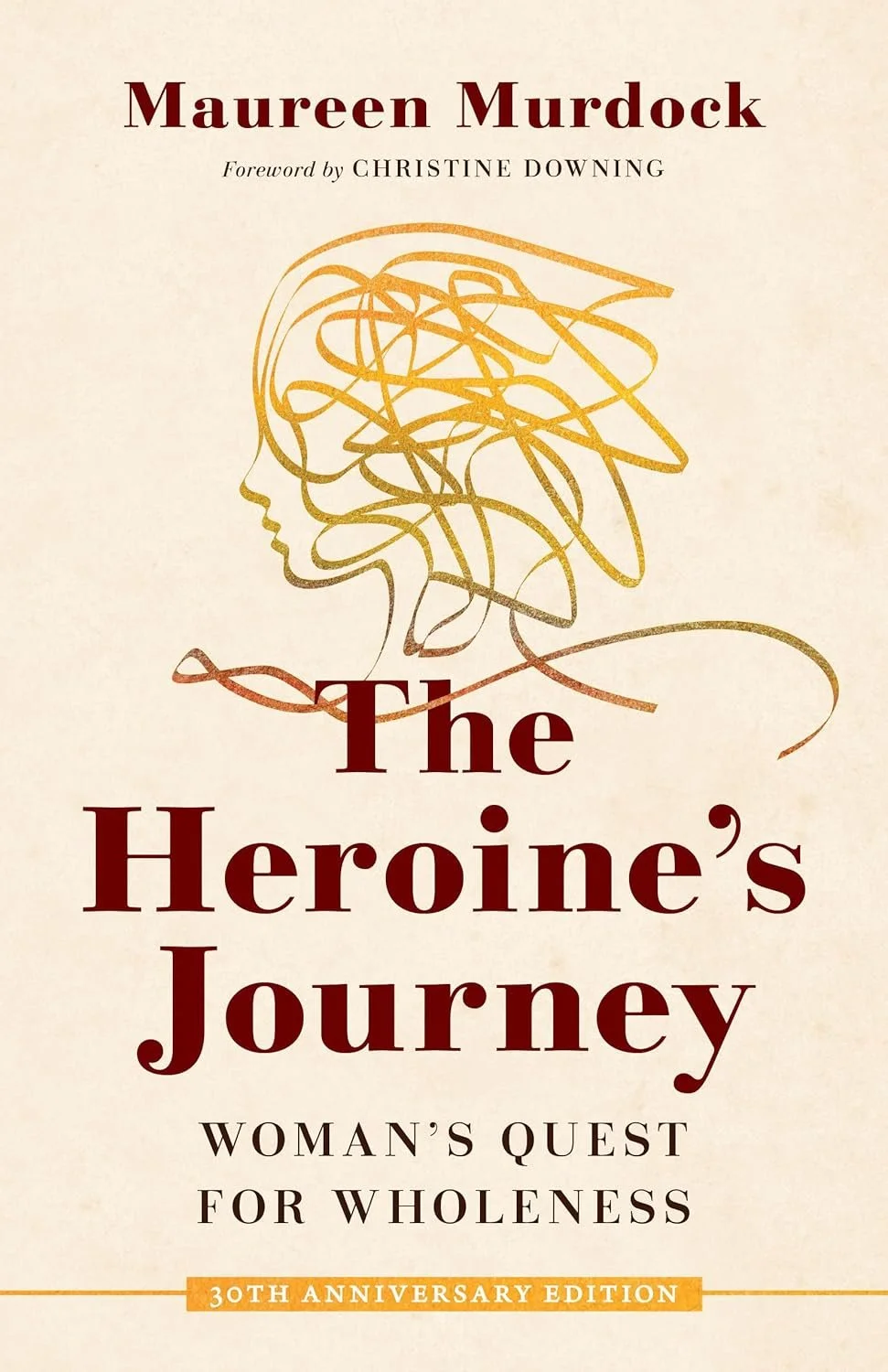
The Heroine's Journey | Maureen Murdock
Why it is included:
The Archetype for Integration.
The traditional "Hero's Journey" (Campbell) is about outward conquest—killing the dragon and bringing back the treasure.
The "Heroine's Journey" is about the inward descent to reclaim the parts of ourselves we discarded to "make it" in the world.
We include this because we are often stuck in the "exhaustion of success."
This map provides the route home: validating the need to stop conquering and start integrating, moving from "Success" to "Wholeness."
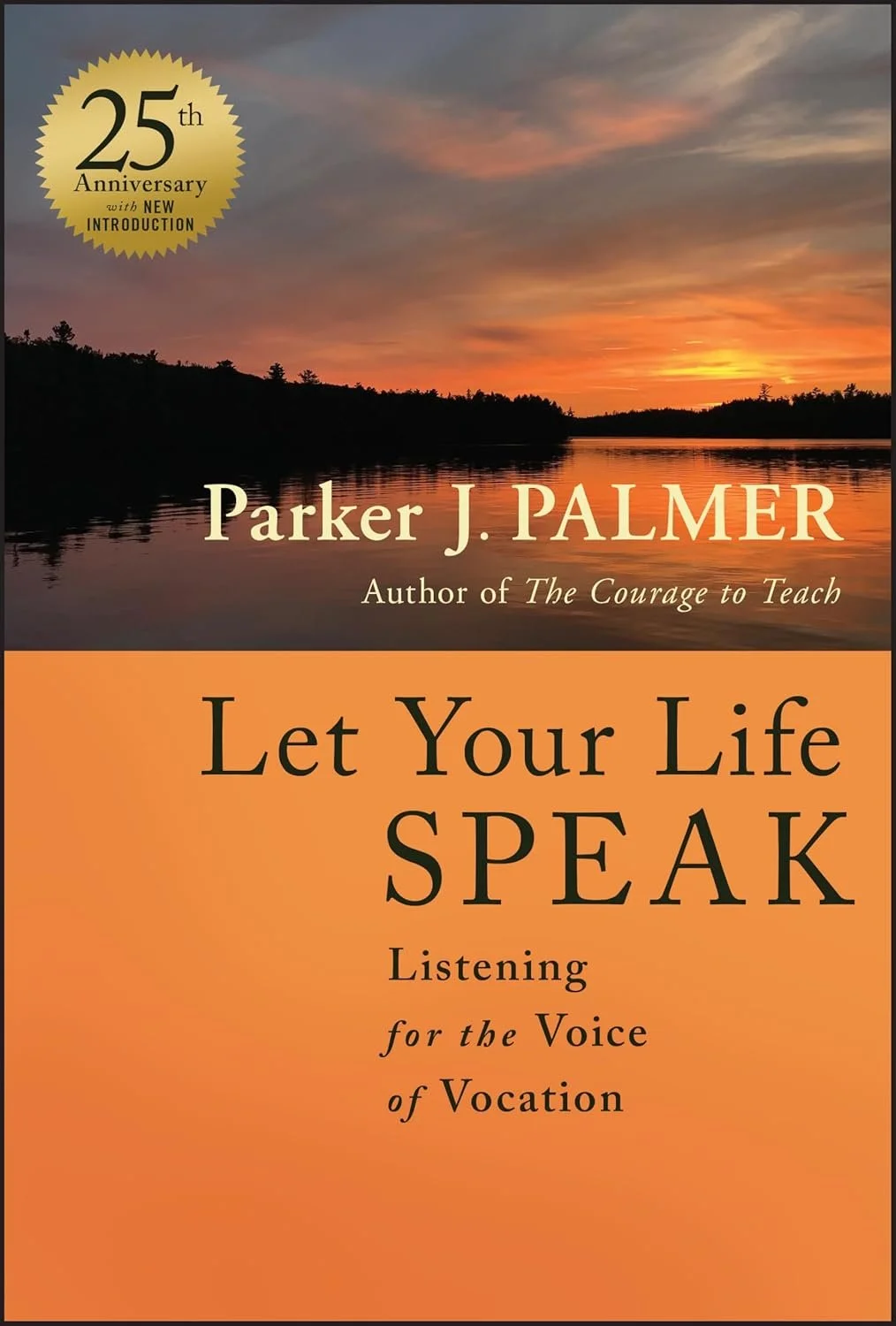
Let Your Life Speak | Parker Palmer
Why it is included:
The manual for "Ecological Leadership." Palmer argues that "Burnout" is not just a result of working too hard; it is a result of working in a way that violates your nature.
He distinguishes between a "job" (an economic role) and a "vocation" (a calling that emerges from one's identity).
We include this to teach the user to listen to their life rather than force it.
It is the guide to leading in a way that is regenerative—where your service to the world actually replenishes your own energy reserves.
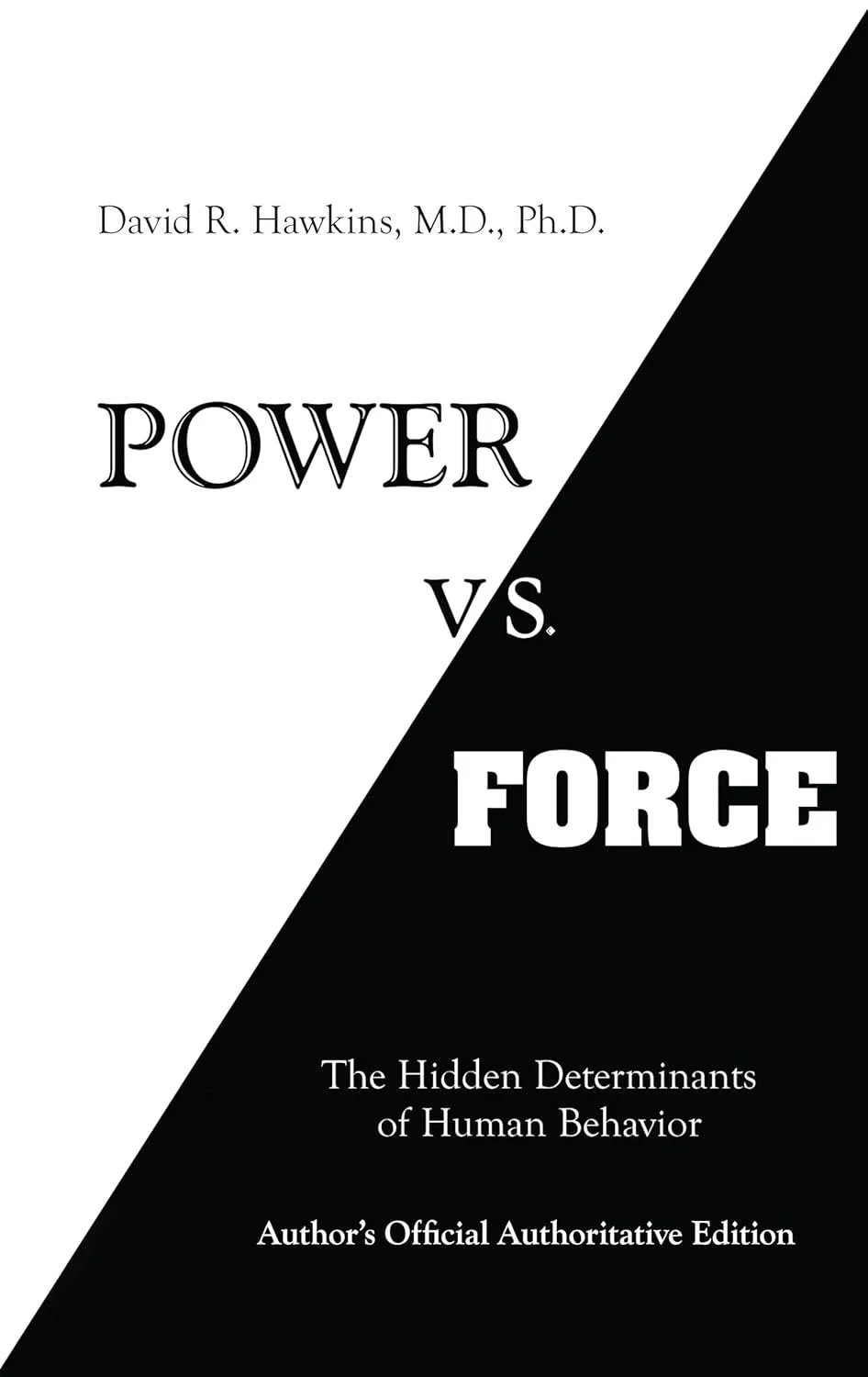
Power vs. Force | David R. Hawkins
Why it is here:
The physics of influence. Hawkins distinguishes between
Force (trying to control outcomes through effort, coercion, and adrenaline) and
Power (aligning with truth, courage, and attractor fields).
It provides a logarithmic scale for leadership, helping the user diagnose their own operating state.
It teaches that "burnout" is usually a symptom of using Force (pushing against reality) rather than Power (aligning with it). It is the essential diagnostic tool for conserving the leader's energy.
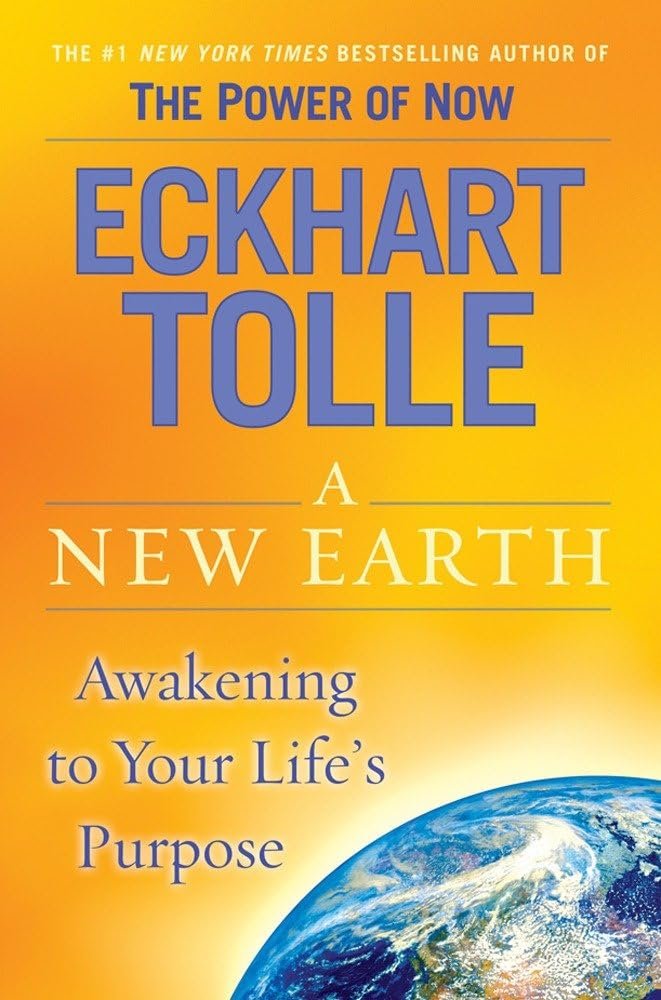
A New Earth | Eckhart Tolle
Why it is included:
This is the diagnostic manual for the "Collective Ego."
Tolle explicitly defines the mechanics of the "Ego" and the "Pain Body"—the repetitive thought loops of grievance, superiority, and fear that drive conflict.
It serves as the essential "Software Patch" for the leader.
It teaches that true intelligence (and the ability to build a regenerative world) only arises when we step out of the stream of compulsive thinking and access "Presence."
It frames the transition to a sustainable future not as a political struggle, but as a shift in consciousness.

Seeding Consciousness | Tricia Eastman
Why it is here:
The bridge to ancestral technology.
While David Nutt (Section M) explains the chemistry of psychedelics, Eastman explains the ceremony.
She frames plant medicine not as a biohack, but as a "Dieta"—a relationship with a living intelligence.
We include this to honor the indigenous roots of the psychedelic renaissance.
It teaches us that true "expansion" requires Reciprocity—we don't just "take" wisdom from the earth; we must give back reverence and stewardship.
It acts as the guide for the "Modern Elder" navigating altered states.