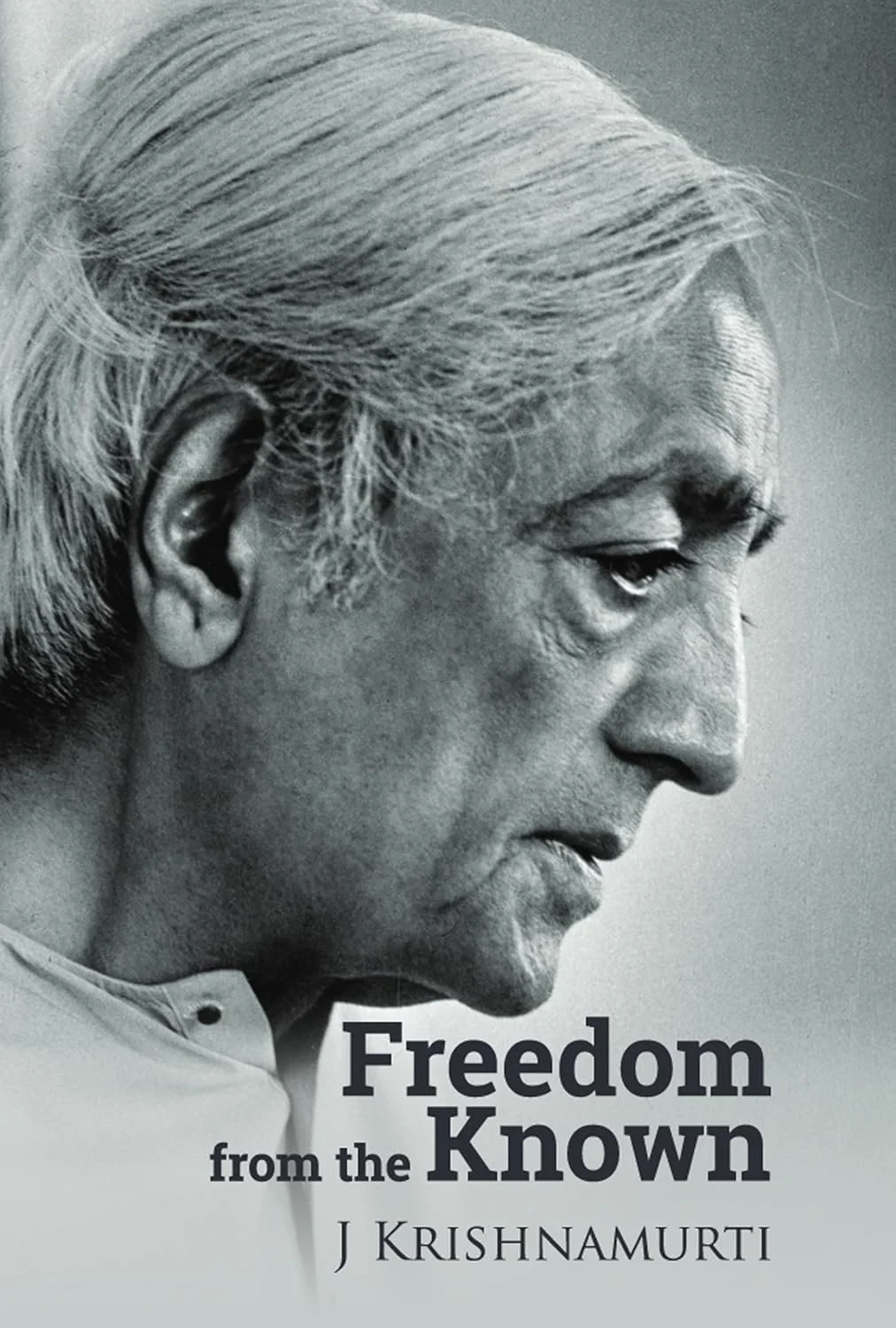
Freedom from the Known | J. Krishnamurti
Why it is included: Krishnamurti was a radical teacher who refused to be a guru.
He argued that all authority—religious, political, psychological—corrupts the truth.
To be truly free, we must step out of the stream of human conditioning.
We must stop looking at the world through the screen of our memories, judgments, and knowledge.
True wisdom cannot be "learned" from a book and repeated.
It must be a living, moment-to-moment discovery.
Krishnamurti challenges us to have the courage to stand alone, to reject the "known" (the past ways of being), and to look at the world with eyes that are completely innocent and fresh.
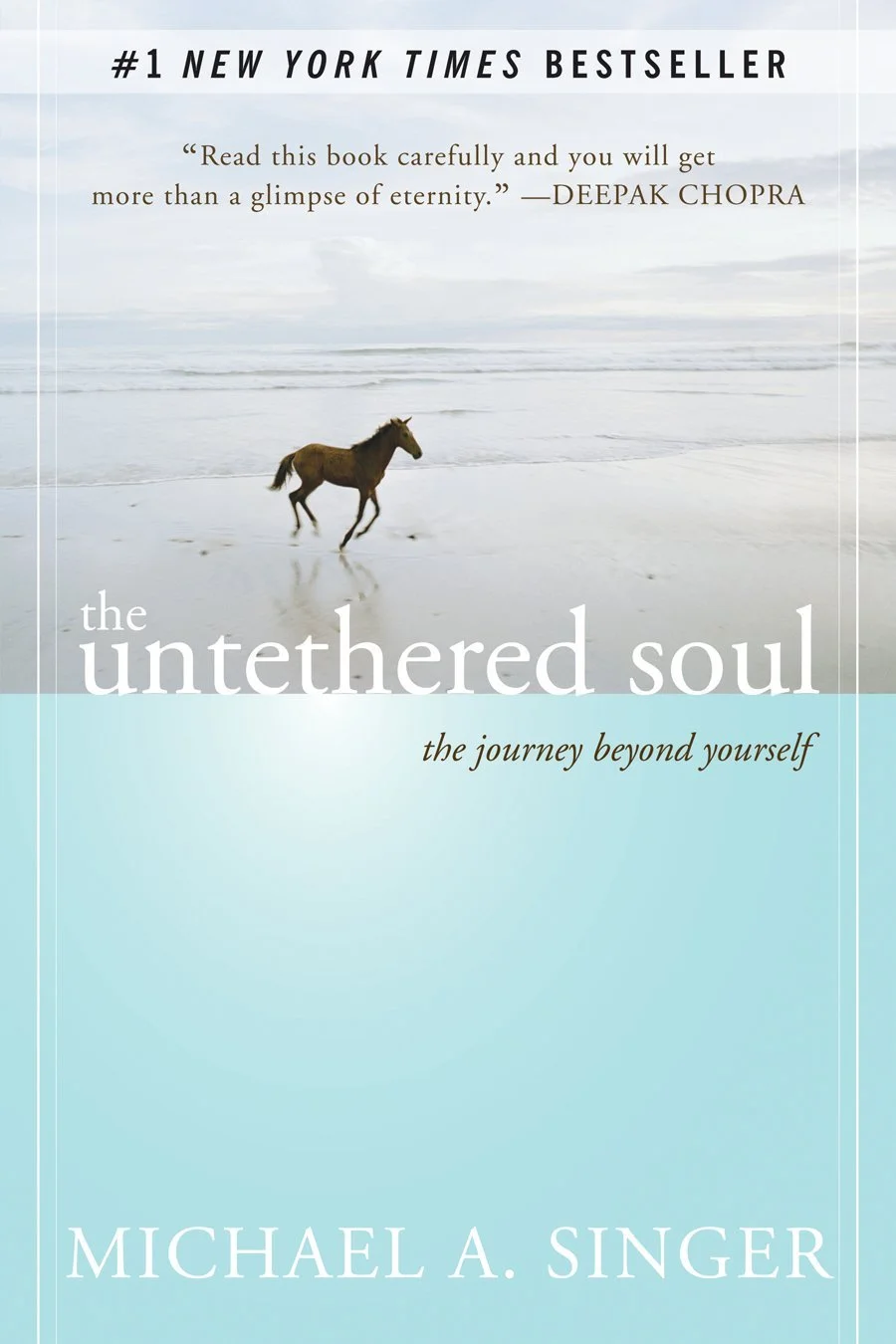
The Untethered Soul | Michael A. Singer
Why it is included: This is the "Step-by-Step Manual" for internal liberation.
Singer walks the reader through the logic of their own mind: "Who is the voice talking in your head?" "Who is the one listening?"
He teaches the practice of remaining the "Witness"—the seat of consciousness that watches emotions and thoughts pass without getting tangled in them.
We include this because it provides a clear mechanism for dealing with "triggers."
When we are triggered, we contract and close our hearts.
Singer teaches us how to relax behind the discomfort and let it pass through us.
This is a critical skill for builders of the future, enabling us to remain open and effective even when faced with criticism, fear, or failure.
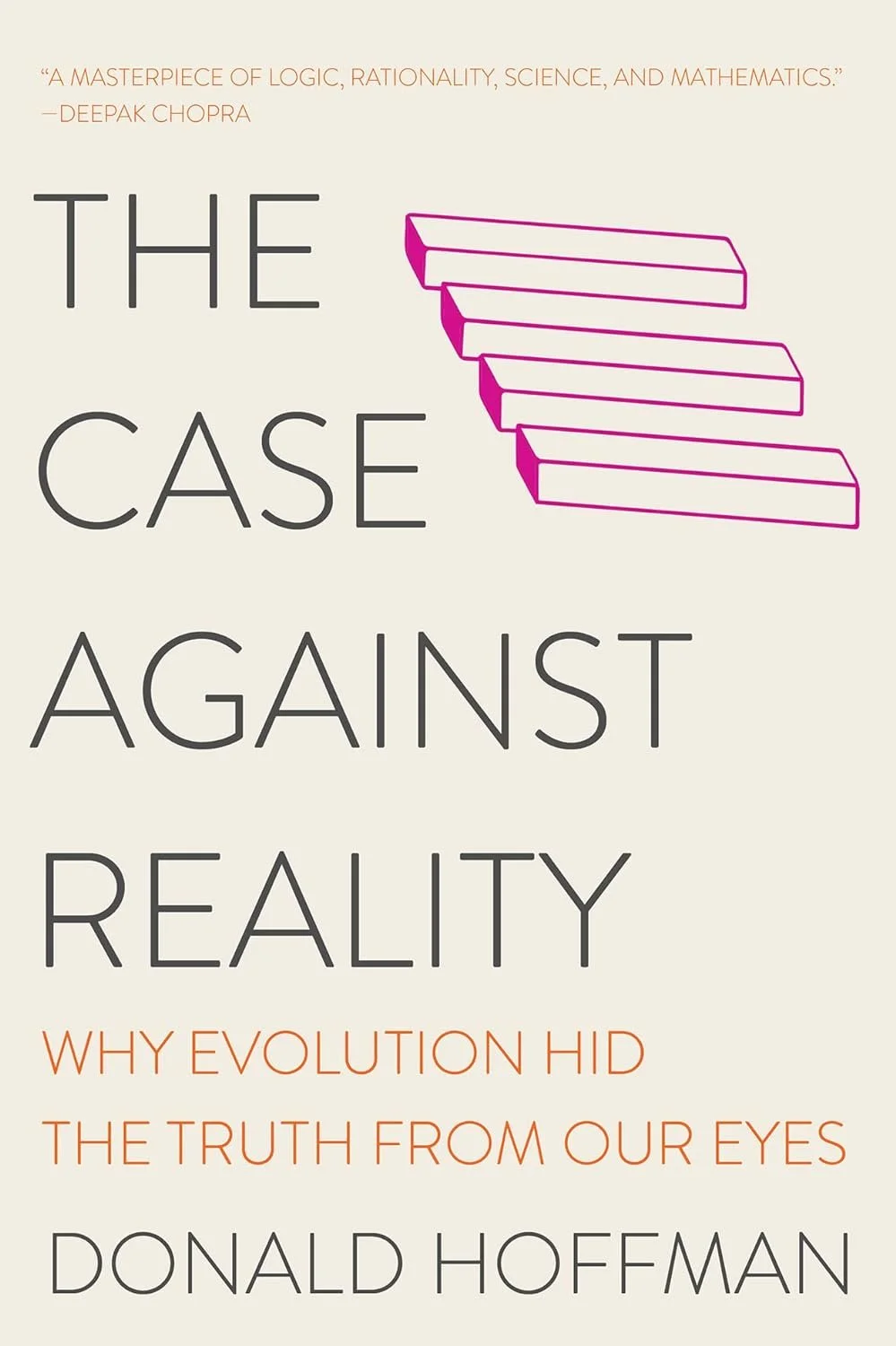
The Case Against Reality | Donald Hoffman
Why it is included: This book challenges our most basic assumption: that we see the world as it is.
Hoffman, a cognitive scientist, uses evolutionary game theory to prove that evolution does not favor truth; it favors survival.
He argues that space, time, and physical objects are just a "desktop interface" (like icons on a screen) designed to help us survive, not to show us the truth.
This is included because it opens the door to a "consciousness-first" view of the universe.
If the material world is just a headset, then consciousness might be the fundamental reality. This aligns with the wisdom traditions but arrives there through math.
It helps break the rigid materialism that traps us in a "dead" universe, making space for a reality that is far more mysterious and malleable.
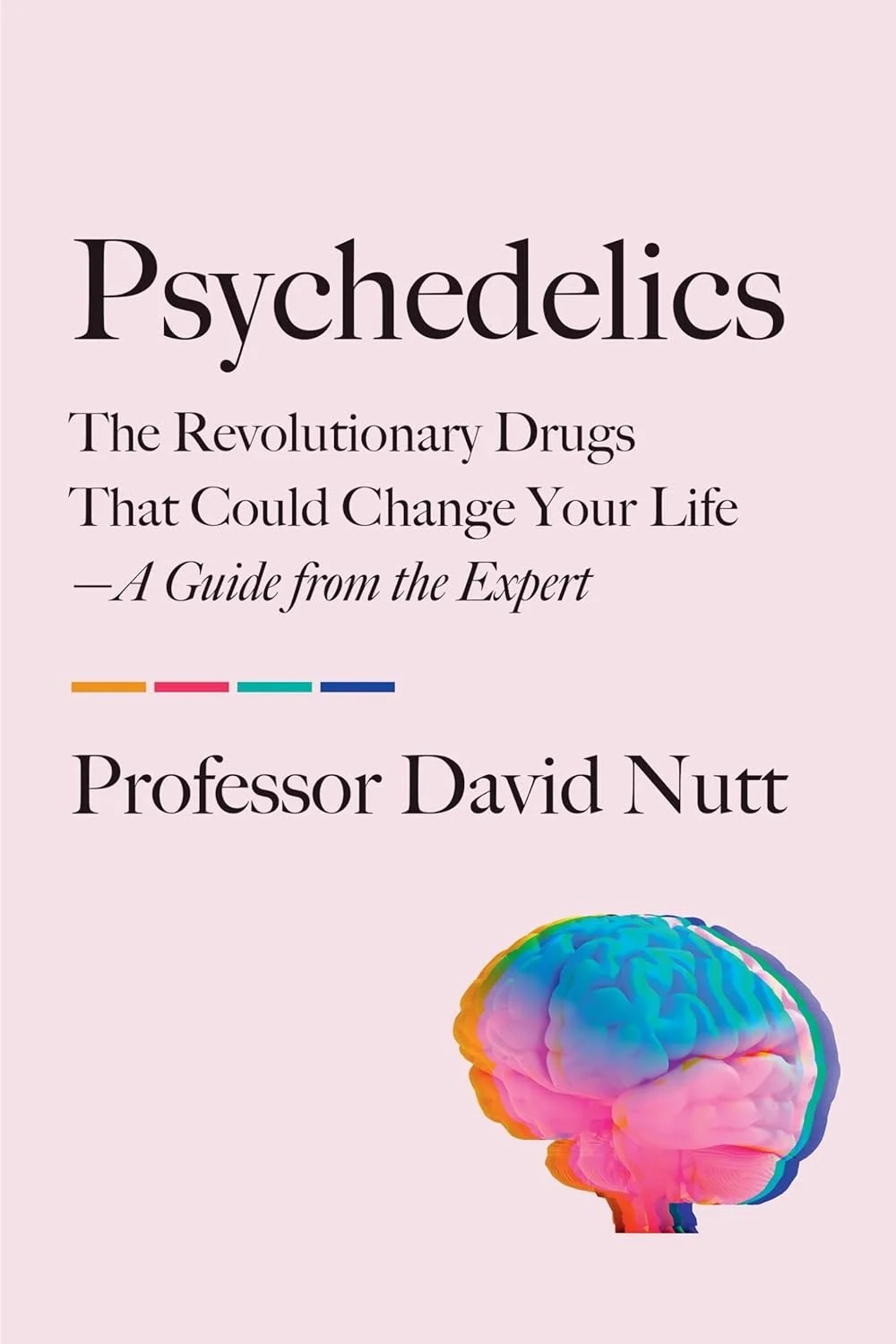
Psychedelics | Dr. David Nutt
Why it is included: Written by the world’s leading neuropsychopharmacologist, this book represents the definitive, clinical guide to the renaissance of consciousness medicine.
Nutt moves beyond cultural anecdotes to the rigorous science of neuroplasticity, explaining the precise biological mechanisms by which these compounds disrupt the brain's "Default Mode Network"—the rigid neural highway responsible for our ego, depressive loops, and ingrained habits.
We include this because the transition to a new way of living requires more than just new ideas; it requires a malleable brain capable of integrating them.
Our civilization is currently stuck in patterns of addiction, polarization, and rigidity.
Nutt demonstrates that psychedelics, when used therapeutically, act as a "hard reboot" for the nervous system, temporarily dissolving old boundaries to allow for the formation of new, healthier cognitive connections.
It is the essential user manual for the chemical architecture of consciousness change, validating that the tools for expanding our empathy and perspective are now grounded in hard science

Waking Up: A Guide to Spirituality Without Religion | Dr. Sam Harris
Why it is included: Many rational, scientifically-minded people are turned off by the dogma and mythology of religion.
Sam Harris bridges this gap.
As a neuroscientist and philosopher, he argues that "spirituality" is simply the project of inspecting the nature of consciousness.
He deconstructs the illusion of the "Self" without asking you to believe in anything supernatural.
It provides a rigorous, secular path to the same insights found in Buddhism and Advaita Vedanta: that the ego is an illusion and that consciousness itself is the ground of being.
It is essential for ensuring that the flourishing worldview is accessible to everyone, regardless of their religious background.
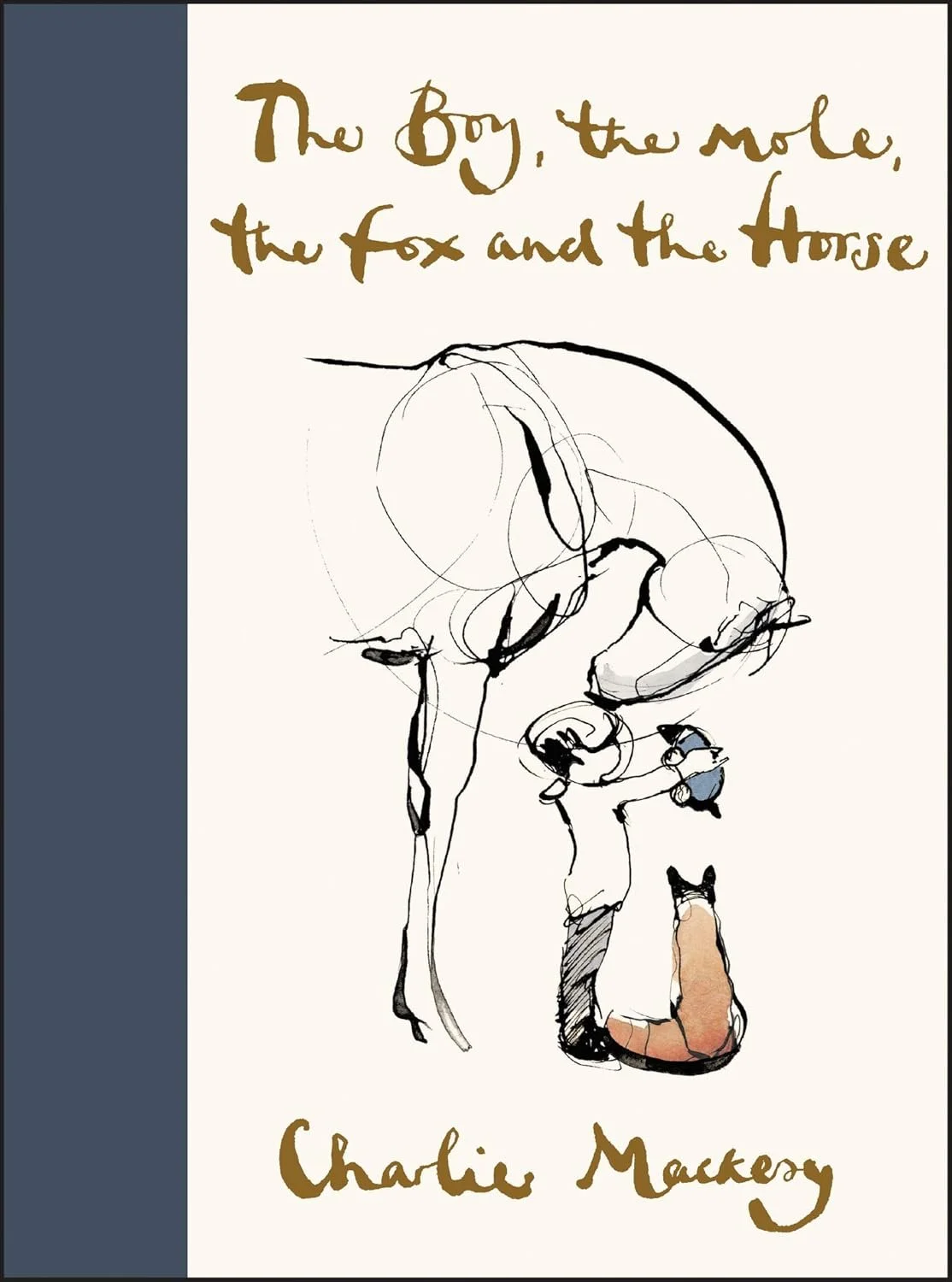
The Boy, the Mole, the Fox and the Horse | Charlie Mackesy
Why it is included: In a library full of heavy philosophy and complex systems, this book is a breath of fresh air.
It uses ink drawings and sparse text to explore the vulnerability of being human.
It asks simple questions like "What is the bravest thing you've ever said?" (Answer: "Help.") and dismantles the illusion that we need to be perfect or strong.
We include this because the transition is scary.
We will feel small. We will get lost.
This book serves as "Gentle Medicine." It reminds us that kindness—to others and to ourselves—is the fuller form of wisdom.
It anchors the M.A.G.I.C.A.L. kit in the heart, ensuring that our quest for a thriving world doesn't become cold or purely intellectual.
Slow Productivity | Cal Newport
Why it is included: Modern knowledge work is broken. We are trapped in "pseudo-productivity"—the belief that visible busyness (answering emails instantly, constant meetings) equals value.
This frantic approach is burning out our nervous systems without producing meaningful results.
Newport argues that we cannot solve this by simply working harder or becoming more organized; we must fundamentally rewrite the philosophy of work.
We include this because it provides an operating system for a thriving society.
Drawing on the habits of history’s greatest thinkers (from Galileo to Jane Austen), Newport proposes three radical principles: Do fewer things. Work at a natural pace. Obsess over quality.
This book is the permission slip to step off the hamster wheel. It teaches us that "slowness" is not laziness; it is the necessary condition for brilliance, health, and doing work that actually matters in the long run.
The Power of Now | Eckhart Tolle
Why it is included: Most human suffering is caused by the mind's obsession with time—regretting the past or fearing the future.
Tolle identifies this as the "egoic mind," a false self that feeds on drama and conflict.
He argues that the only place life actually exists is the Present Moment, and stepping into it is the only way to access true power and peace.
This book is included as a "circuit breaker" for the neurotic mind.
The transition to a flourishing society requires us to act, but if our actions are driven by fear or ego, we will just create more chaos.
Tolle teaches us how to act from a place of presence—where our doing flows from our being.
It is the manual for "awakening" from the nightmare of history into the aliveness of the now.
Meditations (Annotated Edition) | Marcus Aurelius, Robin Waterfield
Why it is included: Written by a Roman Emperor while on military campaigns, this was never meant to be published.
It is a private journal of a man trying to remain good in a world that was often bad. Aurelius practices Stoicism not as a way to suppress emotion, but as a mental fortress.
He constantly reminds himself that he cannot control external events, only his response to them.
As we evolve multiple systems, there will be chaos, anger, and disruption.
Meditations teaches us how to stand firm in our own integrity, refusing to be corrupted by the negativity around us.
It is the discipline of maintaining a "citadel within" that no external circumstance can breach.

Zen and the Art of Motorcycle Maintenance | Robert Pirsig
Why it is included: This book addresses the fundamental schism of the modern world: the split between the "Romantic" view (which loves beauty and hates technology) and the "Classical" view (which loves function and ignores the soul).
Pirsig argues that this split drives us crazy. He introduces the Metaphysics of Quality—a way of living where we bring total care and engagement to even the most mechanical tasks.
It is included because a thriving society will be high-tech. We cannot reject the machine; we must ensoul it.
Pirsig teaches us that the way we fix a motorcycle (or code an app, or build a house) is a spiritual act.
If we approach our technology with "Quality"—with care, presence, and love—we can heal the alienation between the human and the mechanical.
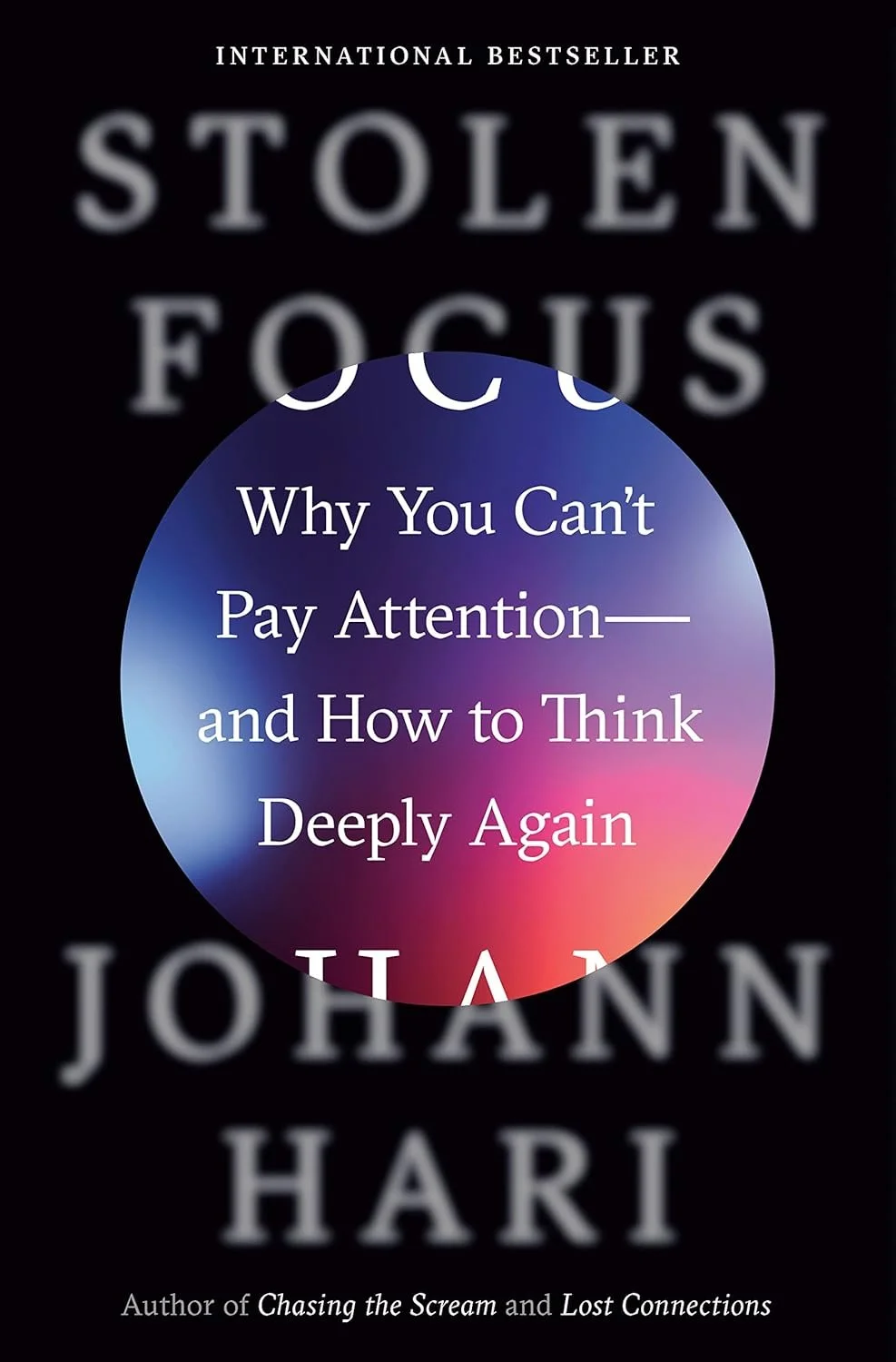
Stolen Focus | Johann Hari
Why it is included: We tend to treat our inability to focus as a personal failure—a lack of willpower.
Hari argues that this is a lie.
After interviewing leading experts in Silicon Valley and neuroscience, he demonstrates that our attention didn't collapse; it was stolen.
We are living in an environment systematically designed by surveillance capitalism to fragment our concentration to extract data.
This book is included as a systemic diagnosis. While books like Deep Work teach personal defense, Stolen Focus teaches collective offense.
It connects the "Attention Crisis" to the "Climate Crisis"—arguing that a species that cannot pay attention cannot solve complex problems. It demands that we treat attention not as a consumer good, but as a human right that requires protection, regulation, and a fundamental redesign of our technology.

Golden: The Power of Silence in a World of Noise | Justin Zorn & Leigh Marz
Why it is included: In 2017, silence was a luxury; today, it is a survival skill. Zorn and Marz argue that "Noise" is not just loud sounds; it is an interference pattern—auditory, informational, and internal—that disconnects us from reality.
They classify pure silence as "Golden": a state of pristine attention where no person or algorithm is claiming your consciousness.
We include this because it reframes Silence from a "passive absence" to an "active presence."
The authors show that constant noise traps us in the "shallow end" of cognition, making us reactive and polarized.
To access the deep wisdom required for the transition into a flourishing civilization, we must rigorously engineer silence into our days, our meetings, and our digital diets. It is the manual for reclaiming your own mind from the attention economy.
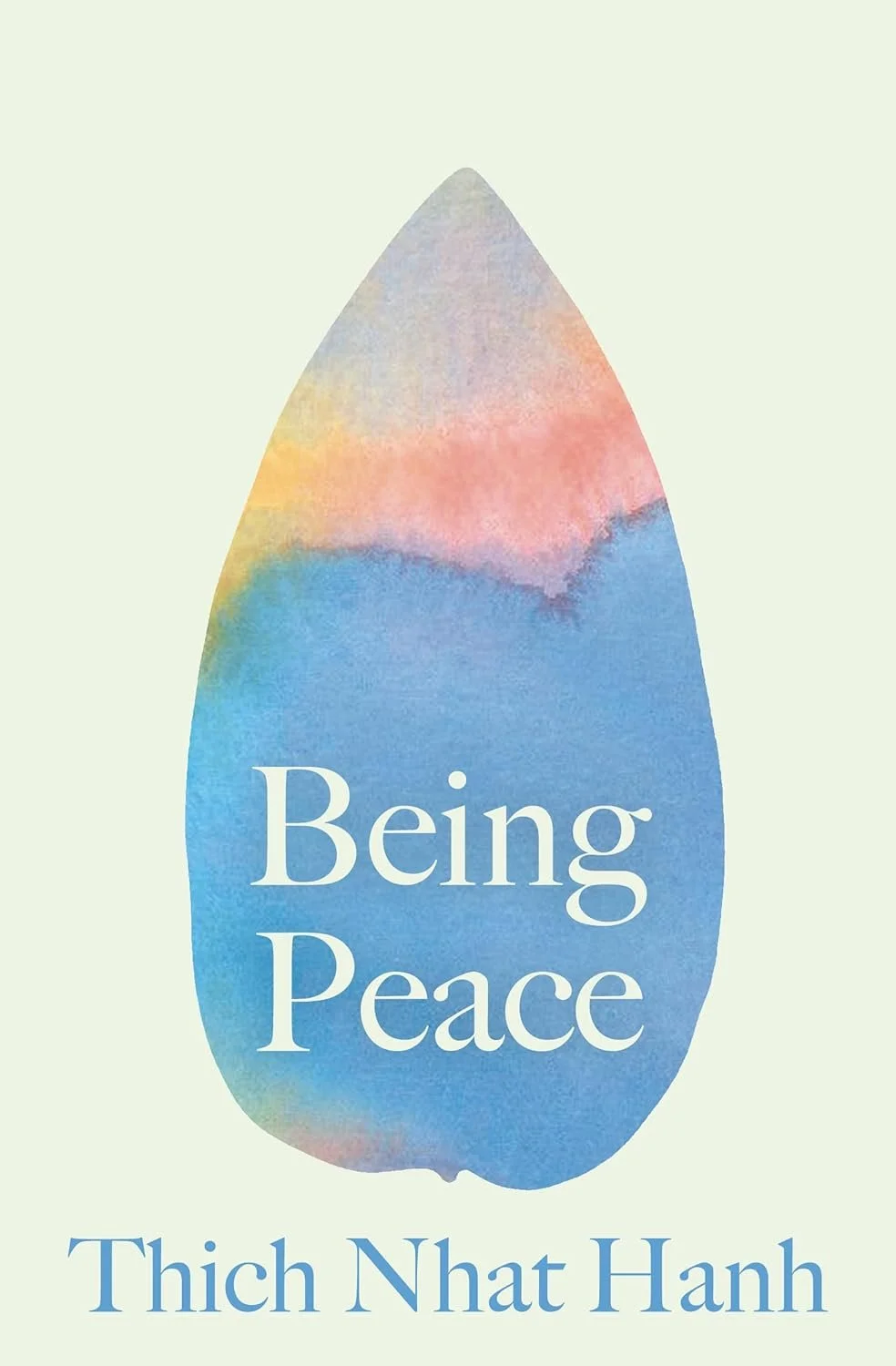
Being Peace | Thich Nhat Hanh
Why it is included: Many change makers burn out because they try to create peace in the world while harboring a war inside themselves. Thich Nhat Hanh argues that this is impossible.
"Peace is not just an end; it is the path." You cannot use angry, fragmented means to achieve a peaceful, whole outcome.
It bridges the gap between the "Inner" and the "Outer."
It teaches that our state of being is our primary contribution to the world. If we are anxious and aggressive, we export anxiety and aggression, no matter how noble our cause.
Being Peace provides the "First Principle" of activism: to transcend the war, we first stop the war in our own hearts, creating a reservoir of calm that stabilizes everyone around us.
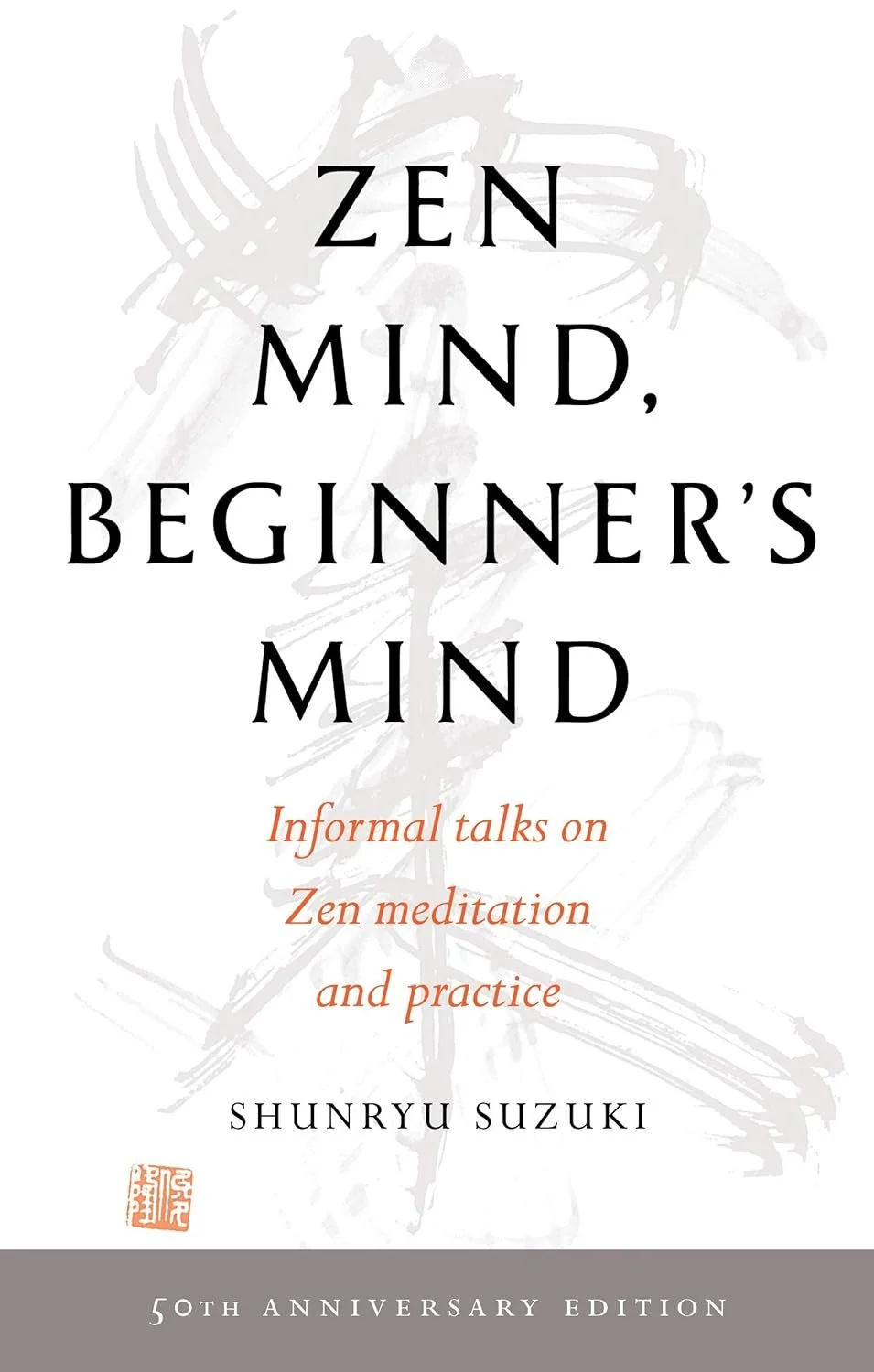
Zen Mind, Beginner's Mind | Shunryu Suzuki
Why it is included: As we face unprecedented challenges (AI, climate change), our biggest challenge is the belief that we already know the answers.
"Expert mind" is rigid; it sees only what it expects to see. Suzuki Roshi teaches the concept of Shoshin (Beginner's Mind): "In the beginner's mind, there are many possibilities, but in the expert's, there are few."
This book is included as a tactical manual for mental plasticity.
It teaches us how to drop our preconceptions and meet each moment with fresh curiosity. This stance is essential for the transition because we are entering uncharted territory. We cannot copy-paste the solutions of the past.
We need the humility and openness of the beginner to perceive the new solutions trying to emerge.
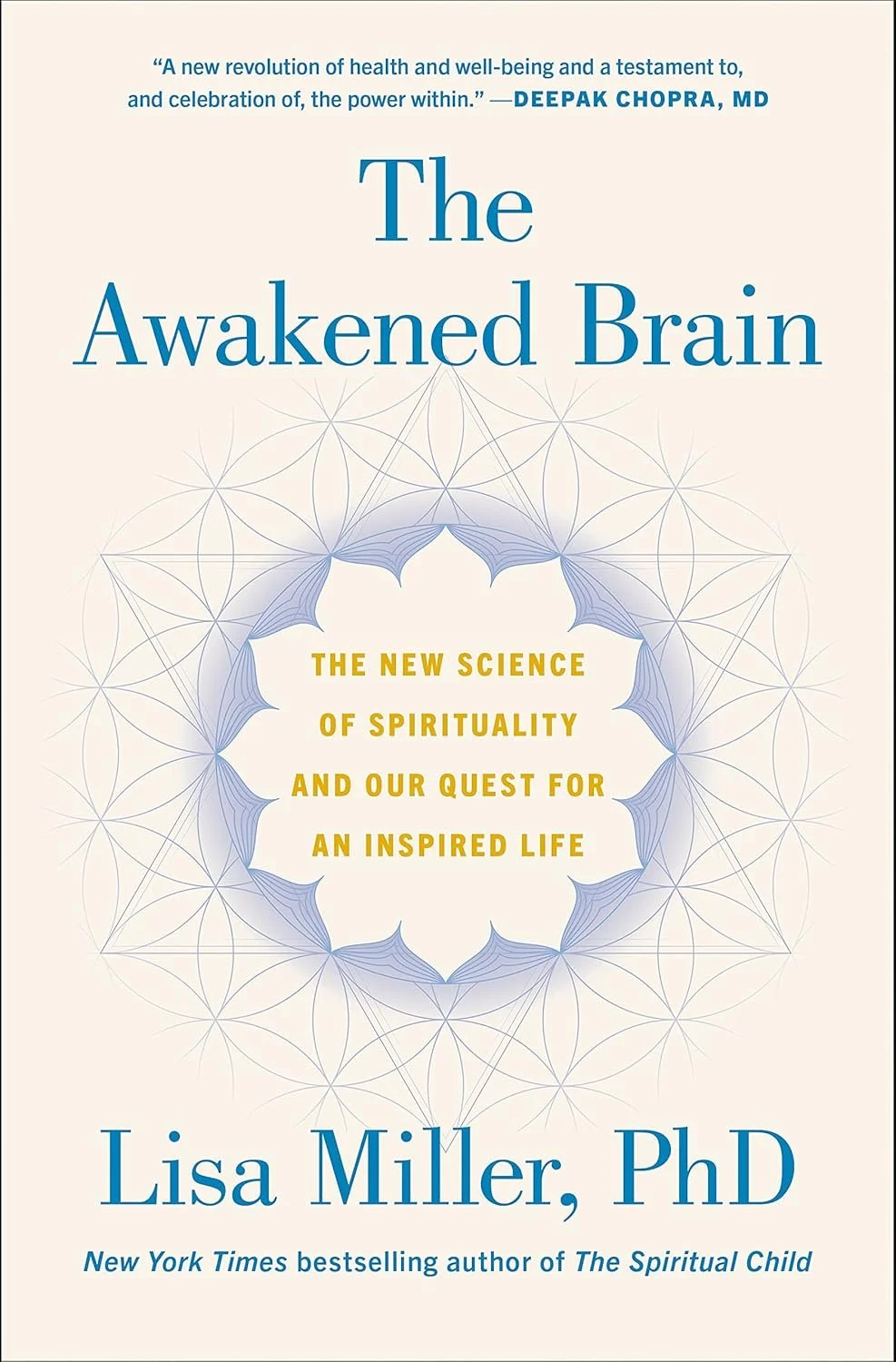
The Awakened Brain | Lisa Miller
Why it is included: For too long, science and spirituality have been treated as enemies.
Dr. Lisa Miller ends that war with data. Using MRI scans and longitudinal clinical studies, she demonstrates that the human brain has a natural, innate capacity for spiritual awareness.
When this capacity is developed, the cortex actually thickens, and the brain becomes significantly more resilient to depression and anxiety.
This book is included because it moves spirituality from a "nice-to-have" hobby to a "must-have" biological asset.
It validates that "seeing the world as alive and connected" is not a delusion, but a sign of high cognitive health. For an emerging civilization, this provides the medical justification for integrating spiritual practice into education, healthcare, and daily life.
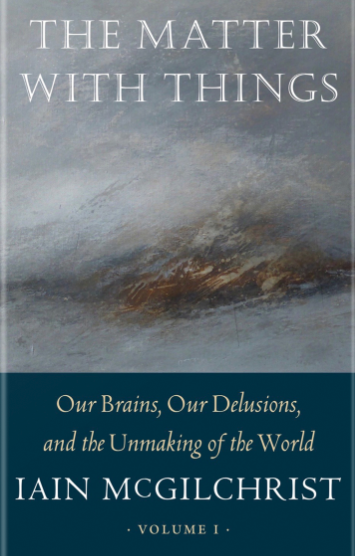
The Matter With Things | Iain McGilchrist
Why it is included: This is the magnum opus of the new era. While his earlier work (The Master and His Emissary) diagnosed the neurological split in our culture, this book provides the cure.
McGilchrist synthesizes neuroscience, physics, and philosophy to prove that the "scientific" materialist worldview is actually a delusion created by the brain's Left Hemisphere.
He argues that the Left Hemisphere has "unmade the world," reducing living complexity to dead fragments.
He creates a rigorous, empirical case for a thriving reality—one that is interconnected, purposeful, and sacred. It is included because it provides the hardest intellectual armor for the softest spiritual truths, proving that "Wholeness" is not poetry; it is physics.