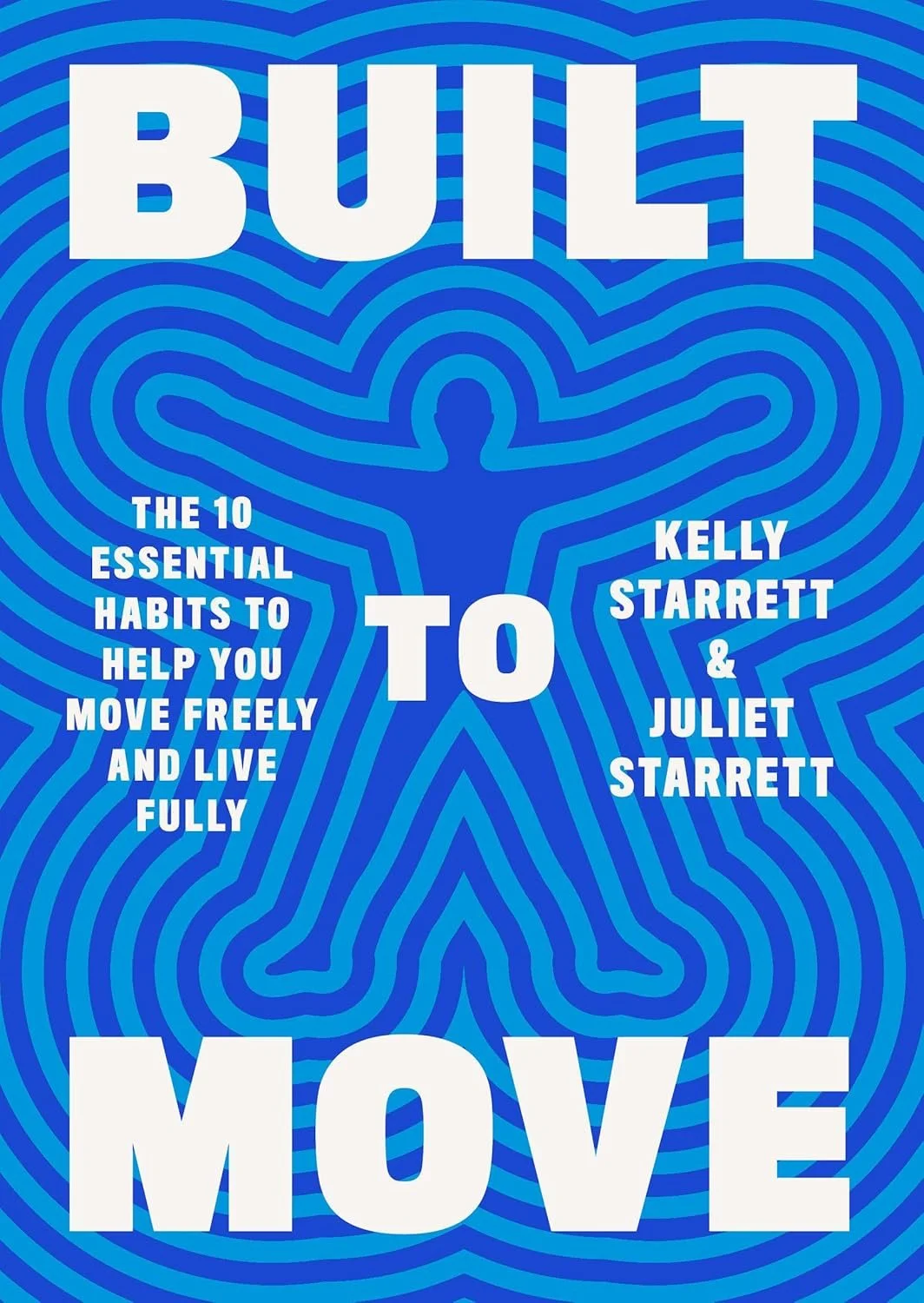
Built to Move | Kelly + Juliet Starrett
Why it is here:
This is the manual for physical hygiene.
The Starretts argue that modern life is a "movement famine."
We treat exercise as an optional 30-minute activity, but spend the rest of the day sedentary.
They shift the focus from "Exercise" (fitness) to "Mobilization" (maintaining range of motion and durability).
We include this to ensure the "Vessel" lasts.
It offers simple "Vital Signs" (like the ability to get up off the floor without using your hands) and daily practices to maintain the hip and spine health required to be independent and pain-free into old age.
It is the practical guide to preventing the physical stiffness that usually accompanies aging.
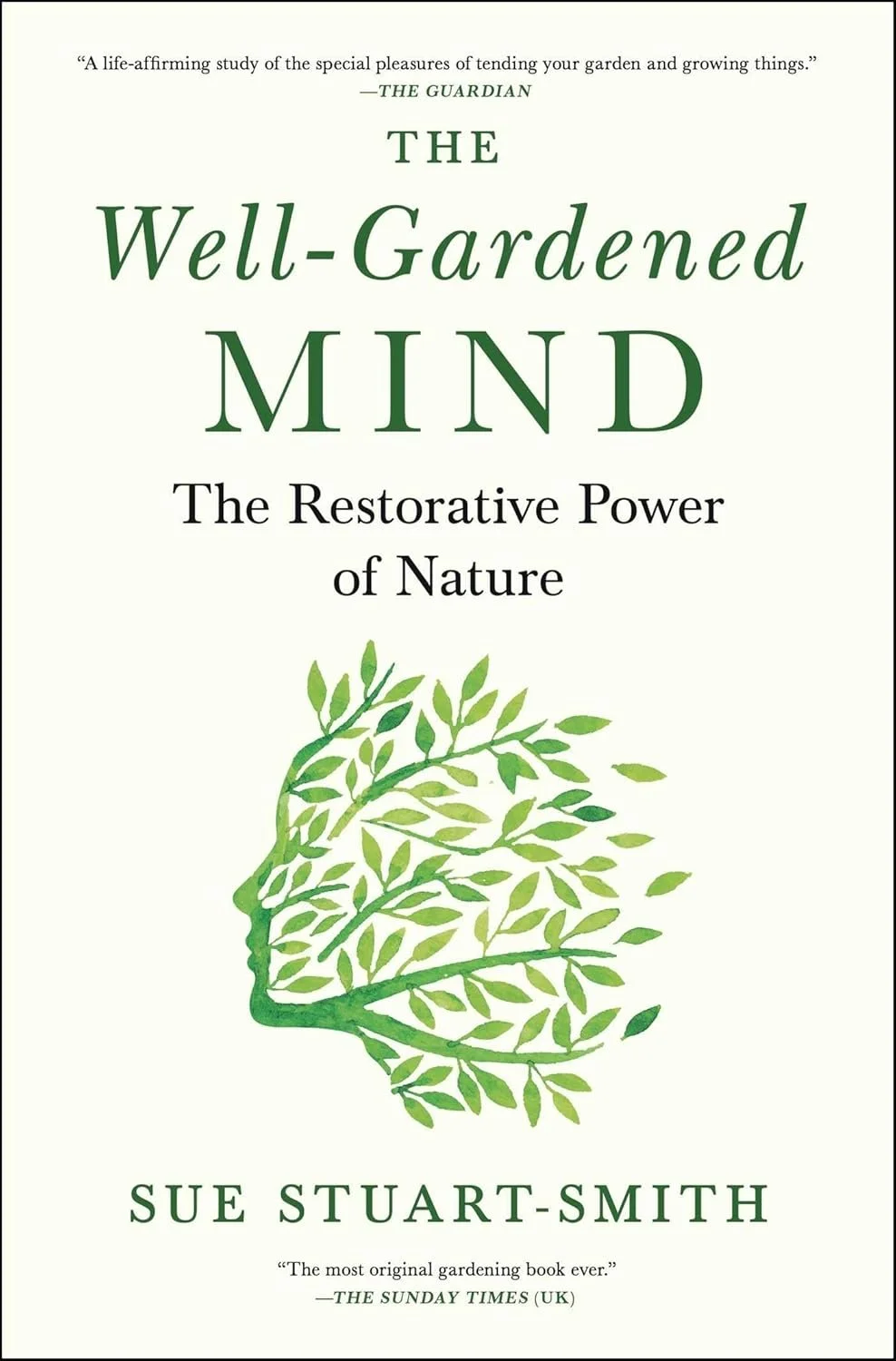
The Well-Gardened Mind | Sue Stuart-Smith
Why it is here:
This is the bridge between Soil and Sanity.
Stuart-Smith, a psychiatrist and gardener, explores the neuroscience of why working with the earth is a natural antidepressant.
She argues that the mind cannot flourish in a sterile vacuum; it requires a relationship with the cycles of growth, decay, and regeneration found in nature.
We include this to expand "Vitality" beyond the skin.
It teaches the leader that "Gardening" is not just a hobby, but a form of "Ecological Attachment."
Tending to a living system creates a reciprocal loop of care that stabilizes the nervous system.
It reminds us that we are not just observers of nature, but participants in it, and that healing the land is often the fastest way to heal ourselves.
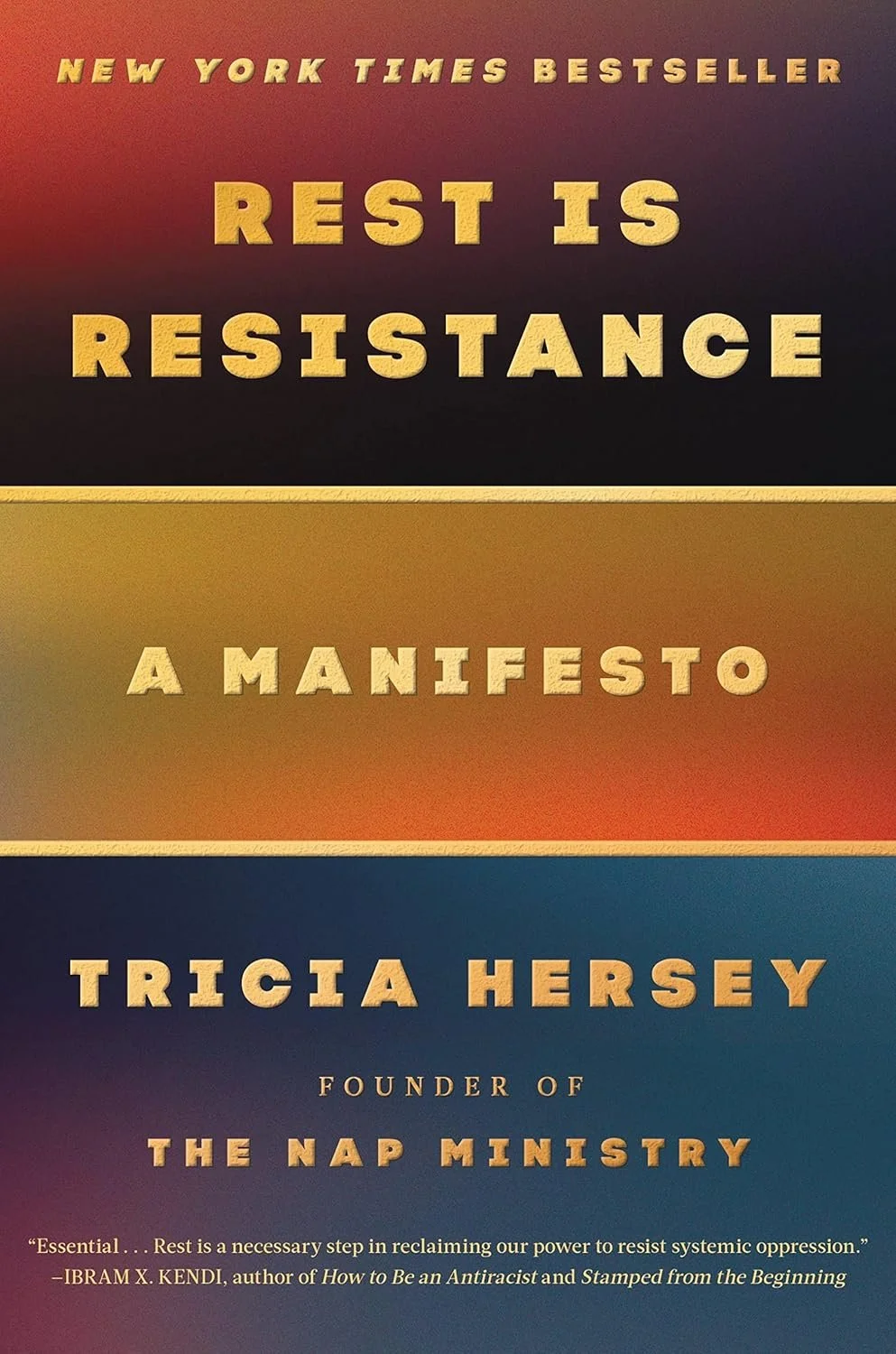
Rest Is Resistance | Tricia Hersey
Why it is here:
This is the political reframing of health.
Hersey (known as The Nap Bishop) argues that "Grind Culture" is a legacy of a system that views bodies as machines for extraction.
She frames Rest not merely as a "wellness hack" or a way to recharge for more work, but as a divine human right and a radical act of resistance against an exploitative system.
We include this to stop "Vitality" from becoming just another productivity metric.
It empowers the leader to reclaim their body’s sovereignty.
It teaches that slowing down is not laziness; it is an act of deprogramming.
By refusing to run at the speed of the machine, we create the space for a more human rhythm to emerge.
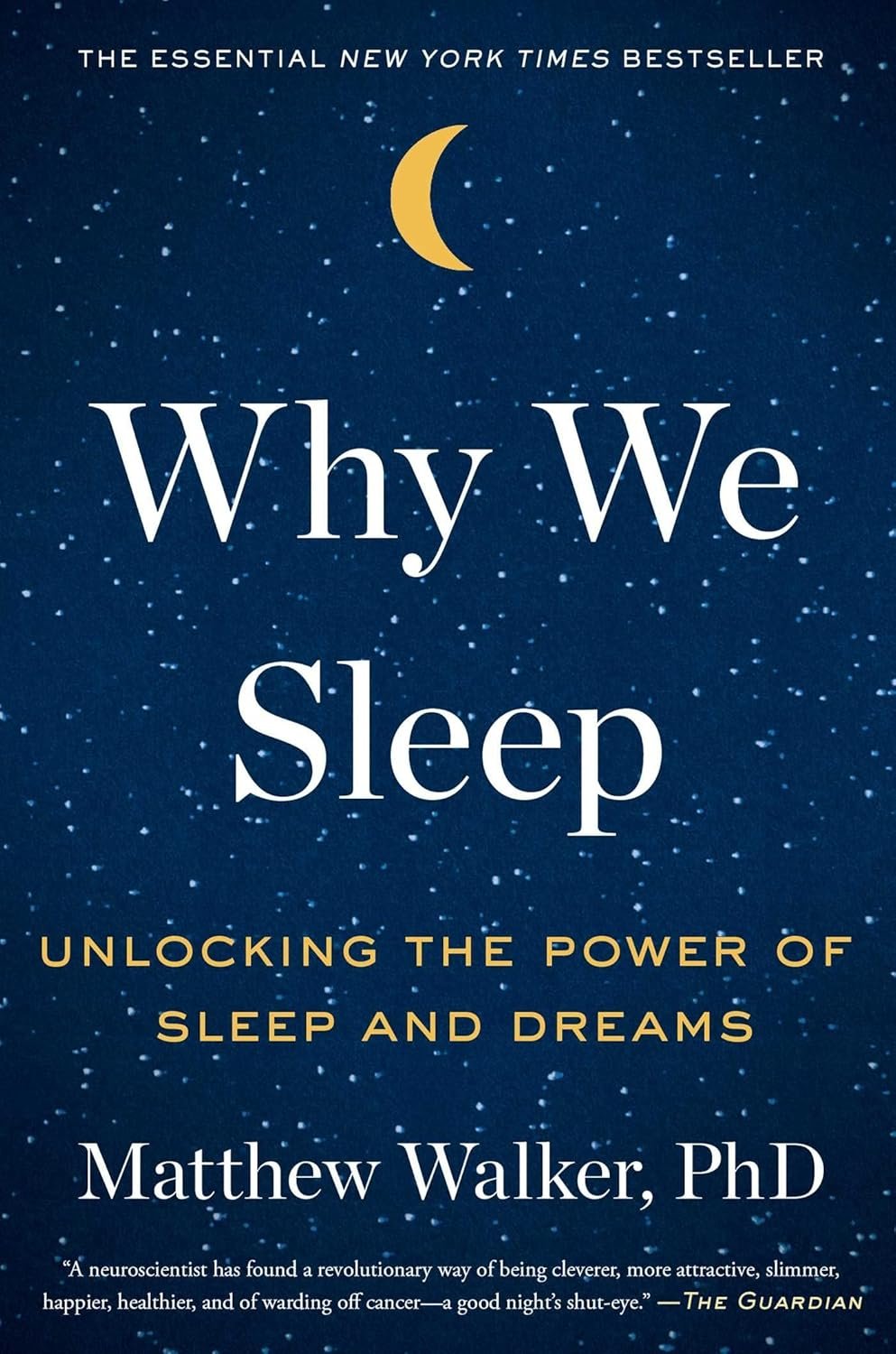
Why We Sleep | Matthew Walker
Why it is here:
This book destroys the myth of the "sleepless hustler."
Walker, a neuroscientist, provides the non-negotiable biology of rest.
He reveals that sleep is not a period of dormancy, but an active "cleaning cycle" where the glymphatic system flushes out neurotoxins (like amyloid plaques) and the brain consolidates memory and emotional regulation.
We include this because a thriving culture often treats sleep deprivation as a badge of honor.
Walker provides the scientific ammunition to treat sleep as a Performance Enhancing Drug.
It proves that getting 8 hours is not a luxury or a sign of weakness; it is the biological cost of sanity.
Without it, empathy, creativity, and immune function all collapse.

Outlive: The Science and Art of Longevity | Dr. Peter Attia
Why it is here:
This is the definitive manual for "Medicine 3.0." Attia argues that our current healthcare system ("Medicine 2.0") is excellent at saving you from a car crash or an infection, but terrible at preventing the slow-motion decline of aging.
He focuses on delaying the "Four Horsemen" of death:
Heart Disease,
Cancer,
Neurodegeneration, and
Metabolic Dysfunction.
We include this to shift us from a reactive stance ("I'll go to the doctor when I'm sick") to a proactive engineering stance ("I am architecting my healthspan").
Attia provides the rigorous data on exercise (specifically Zone 2 cardio and strength), nutrition, and sleep required to ensure that your final decades are vibrant and active.
It is the "hard hardware" manual for a vessel built to last.
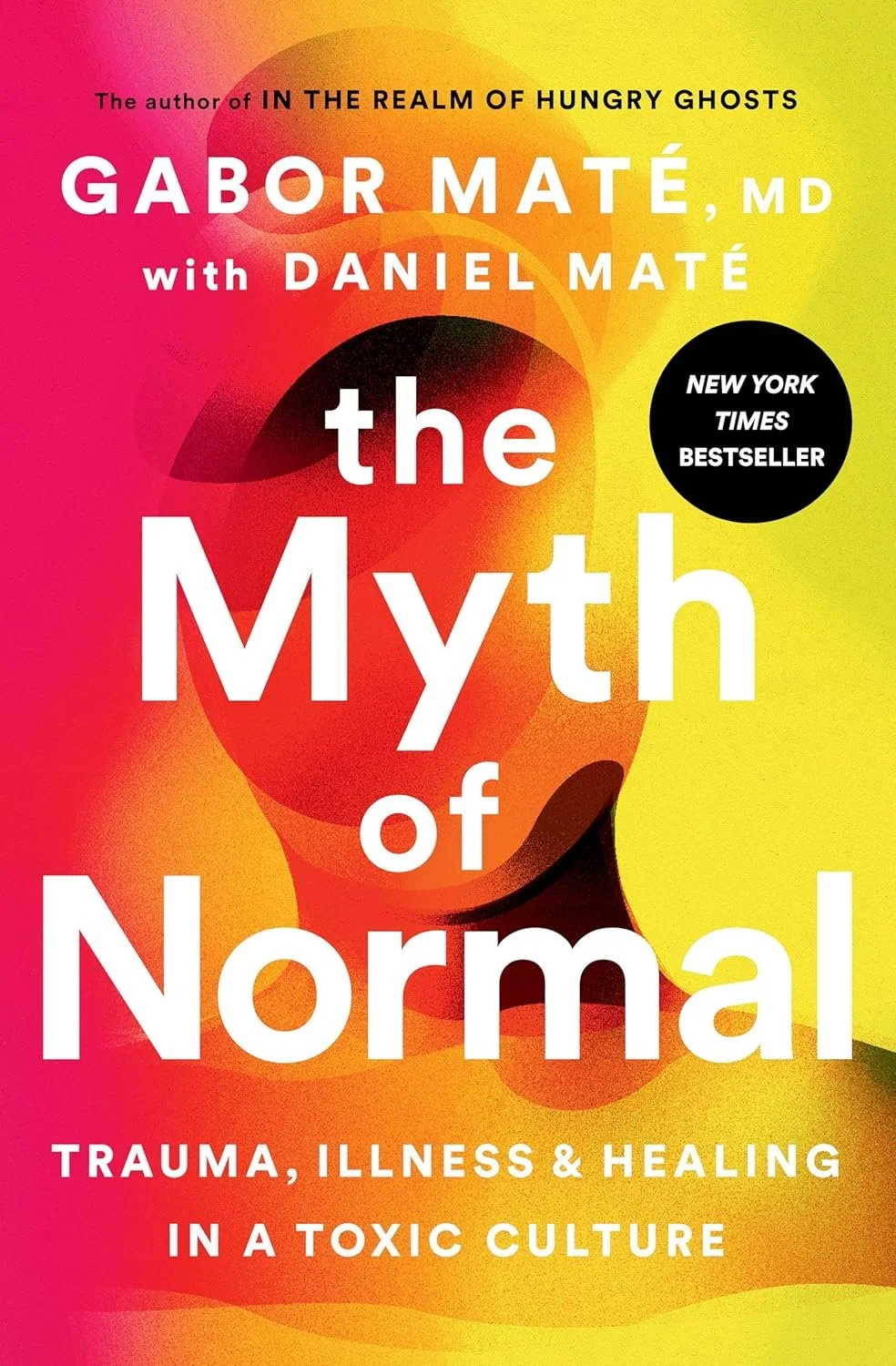
The Myth of Normal | Dr. Gabor Maté
Why it is here:
This is the modern synthesis that connects individual illness to collective dysfunction.
Maté challenges the medical model that views disease as an isolated biological glitch. Instead, he argues that what we consider "normal" in modern society—chronic stress, isolation, competition, and emotional repression—is actually toxic to human biology.
He frames chronic illness not as a random misfortune, but as a natural response to an unnatural culture.
We include this to bridge the gap between the Map Room (Society) and Vitality (Body).
It empowers us to stop blaming ourselves for our burnout or autoimmune issues and start looking at the environment in which we inhabit.
It is a call to design organizations and communities that support our biological needs for connection and authenticity, rather than forcing us to trade our health for success.
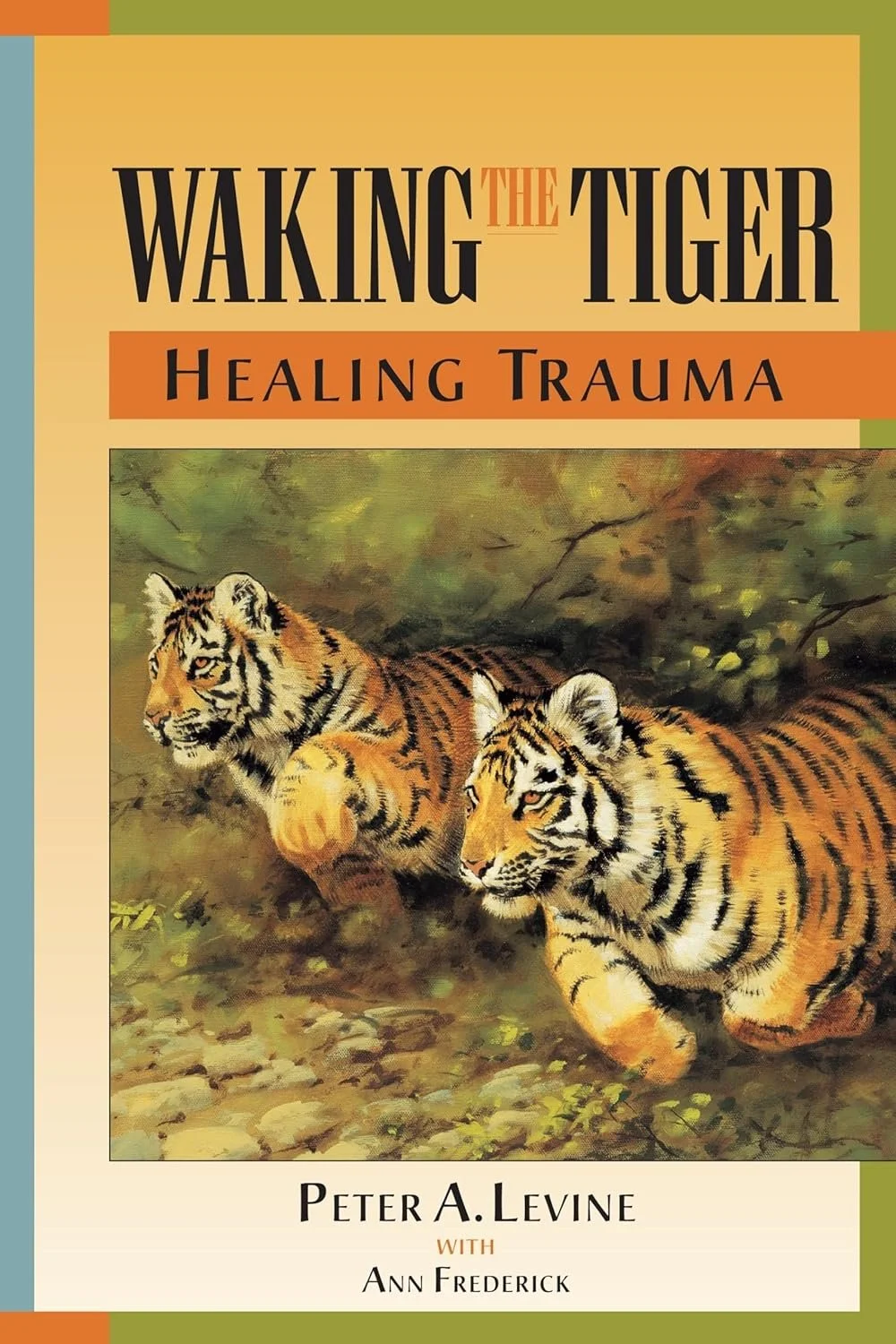
Waking the Tiger | Peter Levine
Why it is here:
This is the source code for somatic healing. Levine asked a profound question: Why do wild animals, who are constantly threatened with death, rarely get traumatized? He observed that after escaping a predator, a gazelle will physically shake and tremble, "discharging" the massive mobilization energy of the flight response before returning to grazing.
Humans, conditioned by social norms, often "freeze" and trap that energy inside. We include this book because it teaches the biological necessity of Discharge. It provides the somatic protocols to complete the stress response cycle, preventing the "frozen" state that leads to burnout. It reminds the leader that they are an animal, and sometimes the way to fix the mind is to let the body shake.
Set Boundaries, Find Peace | Nedra Glover Tawwab
Why it is included: Grounded Vitality leaks without a container.
You can do all the breathwork in the world, but if you cannot say "no," you will be drained.
Nedra Tawwab provides the essential manual for Relational Hygiene.
She defines boundaries not as rejection, but as the prerequisite for healthy connection.
We include this for its tactical Discernment. Tawwab offers specific scripts and strategies for defining where you end and others begin.
It teaches the skill of Emotional Maturity—taking responsibility for your own needs without guilt—ensuring that the energy we cultivate is not siphoned off by the drama or demands of others.
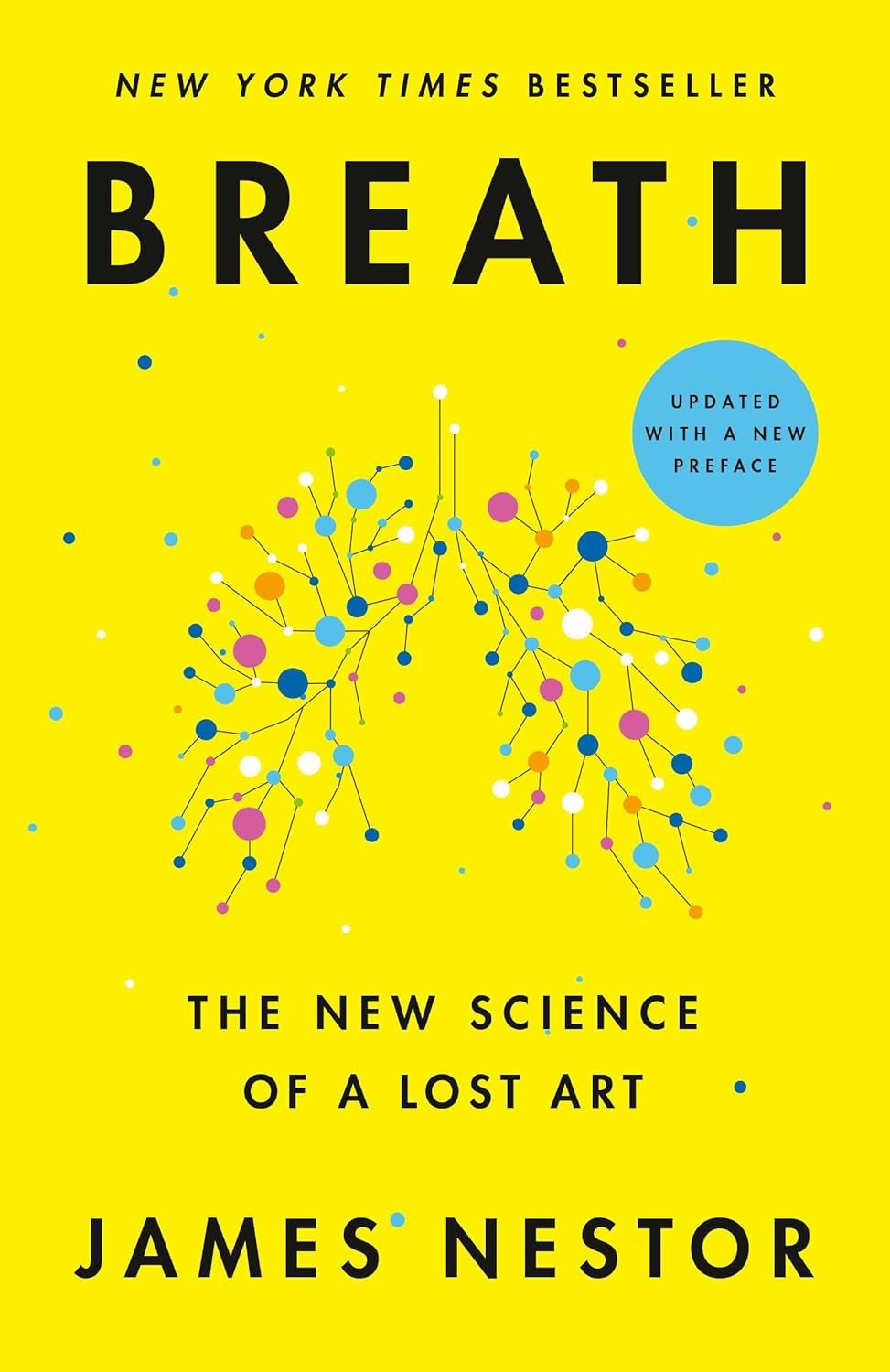
Breath | James Nestor
Why it is included: The most immediate lever for controlling the nervous system is the breath.
Modern humans have forgotten how to breathe, leading to chronic stress and structural degeneration.
Nestor retrieves the lost "technologies of breathing" (Nasal Breathing, Slow Breathing) that physically alter the structure of our airways and the chemistry of our blood.
We include this as the "First Principle" of stress control.
It moves breathwork from a spiritual luxury to a biological necessity.
By mastering the 5.5-second inhale/exhale rhythm, we can manually hack our vagus nerve, lowering our heart rate and anxiety in minutes.
It is the most accessible tool in the kit for immediate state-shifting.
Anchored | Deb Dana
Why it is included: "Staying grounded" is not a metaphor; it is a specific biological skill.
Deb Dana translates the complex science of Polyvagal Theory into a practical user manual.
She teaches us to identify which "neural platform" we are standing on: Ventral Vagal (Safety/Connection), Sympathetic (Fight/Flight), or Dorsal Vagal (Shutdown).
We include this for the skill of Vibrational Anchoring.
Dana provides micro-tools ("glimmers") to steer the nervous system back to safety.
This book teaches you how to become an "Anchor"—a person who can hold a regulated frequency so strong that it calms the people around them, rather than being swept away by the collective chaos.
No Bad Parts | Richard Schwartz
Why it is included: We often try to exile the parts of ourselves we don't like—the angry part, the addicted part, the fearful part.
Richard Schwartz’s Internal Family Systems (IFS) model argues that this internal war is what makes us sick.
He reframes the psyche not as a monolith, but as a "village" of parts (Exiles, Managers, Firefighters), all of which have good intentions.
We include this because it is the manual for Self-Leadership.
It teaches us to lead our internal village with curiosity rather than shame.
By befriending our "shadow" parts rather than fighting them, we unlock massive amounts of trapped energy, integrating the fragmented self into a cohesive, grounded whole.
The Body Keeps the Score | Bessel van der Kolk
Why it is included: This is the undisputed definitive text on trauma.
Van der Kolk uses decades of neuroscience to prove that trauma is not just a "bad memory" stored in the mind; it is a physiological rewiring stored in the brainstem, muscles, and gut.
You cannot "talk" your way out of it; you must move through it.
We include this because it validates the physical reality of our emotional history.
It explains why we get stuck in loops of reaction and rigidity.
By understanding that the body holds the score, we stop fighting our own symptoms and start using somatic tools (like yoga, theater, and movement) to release the stuck energy, clearing the path for genuine recovery.
Good Energy | Dr. Casey Means
Why it is included: Dr. Casey Means, a Stanford-trained surgeon, argues that nearly all modern symptoms—anxiety, depression, fatigue, and brain fog—stem from a single root: Metabolic Dysfunction. She connects the biology of the cell directly to the state of the soul.
We include this because it replaces standard "diet culture" with systems biology.
Means explains how to optimize your Mitochondria, the power plants of the cell.
By stabilizing your blood sugar and reducing inflammation, you stabilize your mood and perception.
This book provides the biological hardware update required for healthy consciousness, proving that "spiritual groundedness" begins with the physical capacity to generate clean energy.
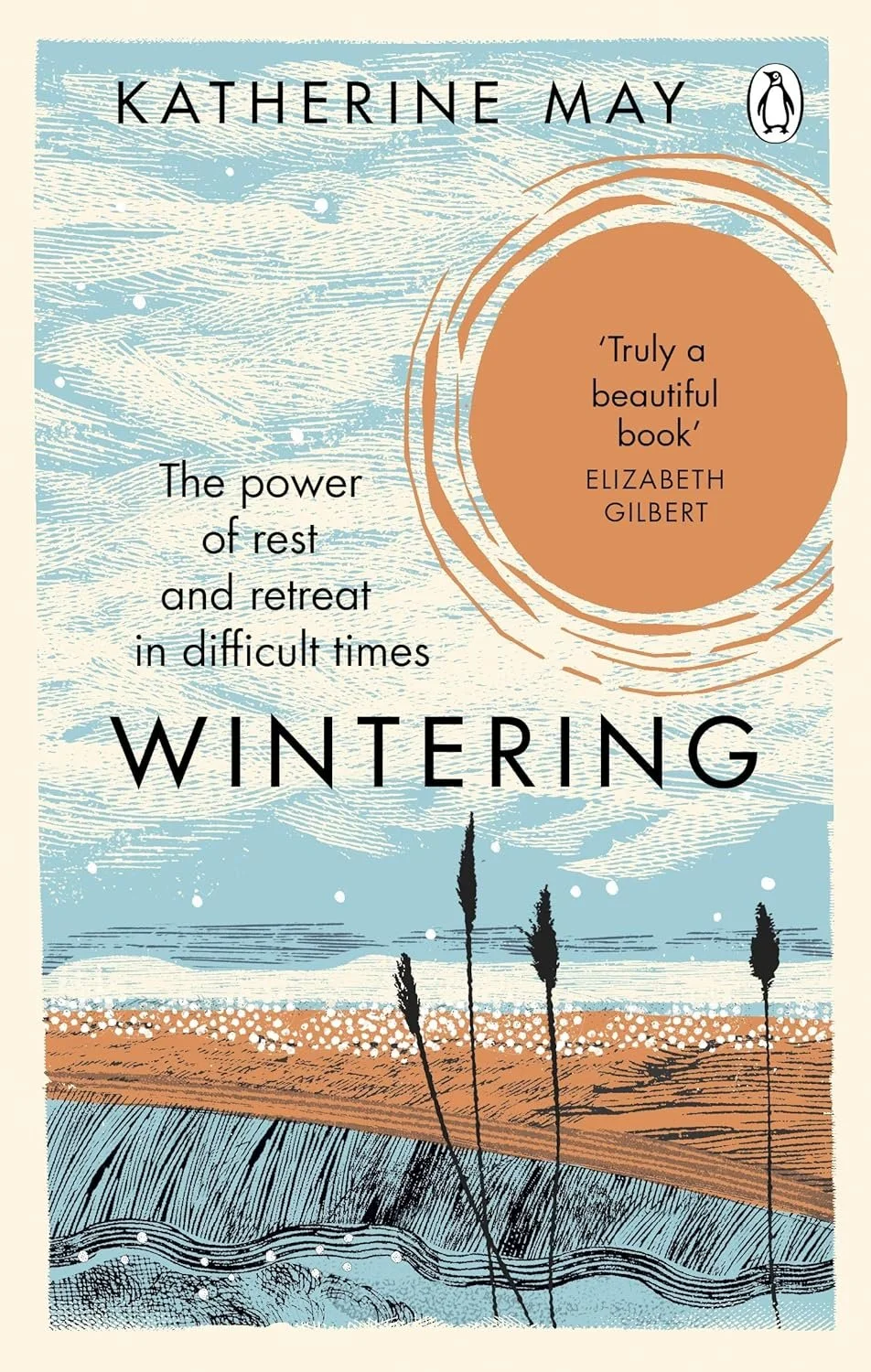
Wintering | Katherine May
Why it is included: We live in a culture that demands eternal summer—endless growth, happiness, and visibility.
Katherine May argues that this is biologically impossible. Drawing on the natural world, she reframes periods of depression, failure, and isolation not as errors, but as a necessary season: Winter.
We include this because it provides a "Naturalist's Strategy" for crisis.
Instead of urging us to "fight" the darkness (resilience), May teaches us the active skill of "Wintering"—how to retreat, shed what is dead (like trees shedding leaves), and conserve energy for the inevitable return of the light.
It is a compassionate manual for surviving the dormant phases of life without shame, reminding us that rest is not the death of work, but the sustenance of it.
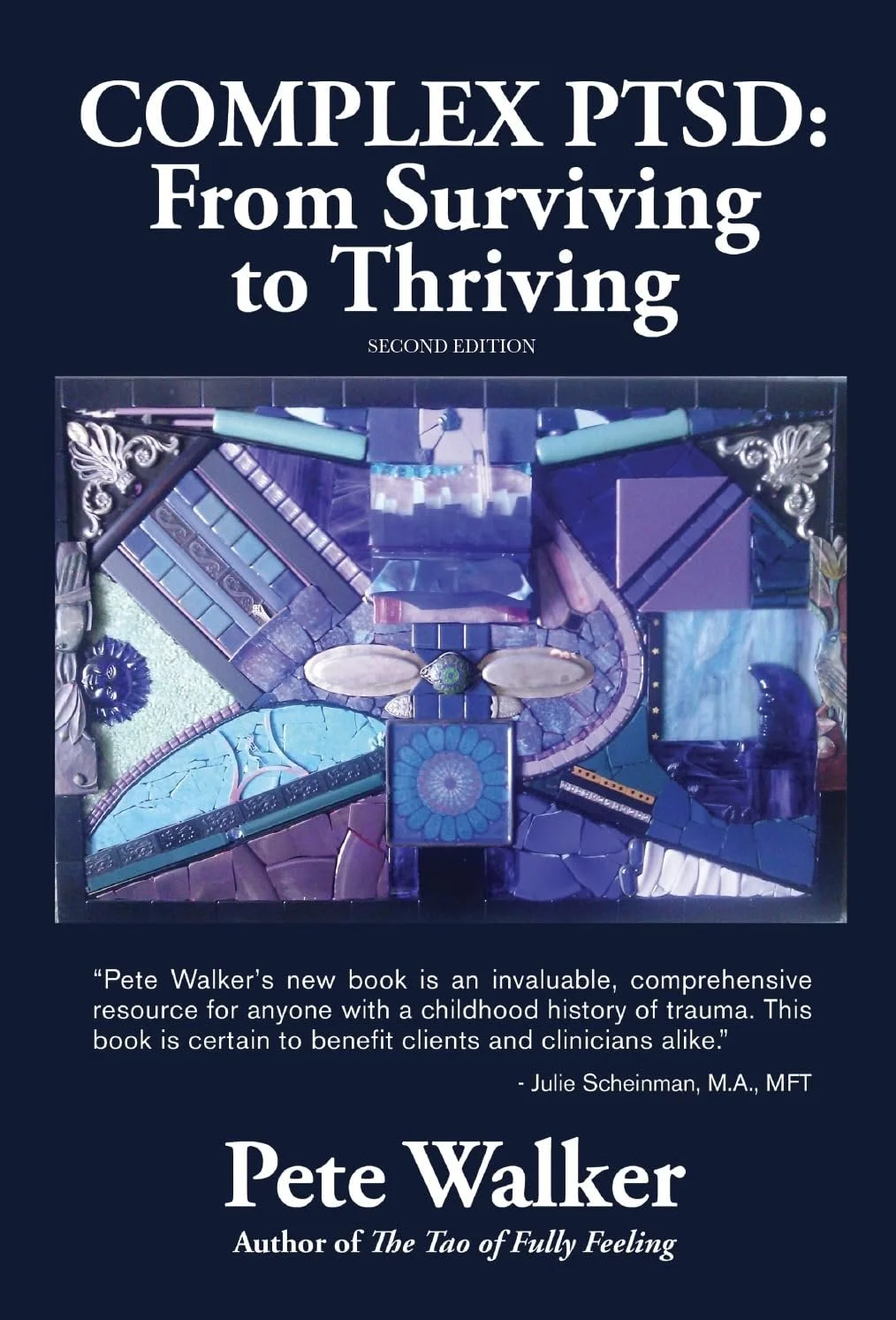
Complex PTSD: From Surviving to Thriving | Pete Walker
Why it is included: When we are triggered, our higher brain goes offline. We don't need philosophy; we need a checklist. Pete Walker provides the definitive tactical manual for "reparenting" the nervous system.
He maps the 4F responses (Fight, Flight, Freeze, and Fawn), helping us instantly identify which "survival program" is running.
We include this because it balances the abstract "systems" view of No Bad Parts with a rigorous, linear "How-To."
Walker’s "13 Steps for Managing Emotional Flashbacks" is an essential emergency protocol for the transition.
It teaches us exactly how to shrink the "Inner Critic" and provide the safety our inner child needs, moving us from reactive survival to proactive thriving.
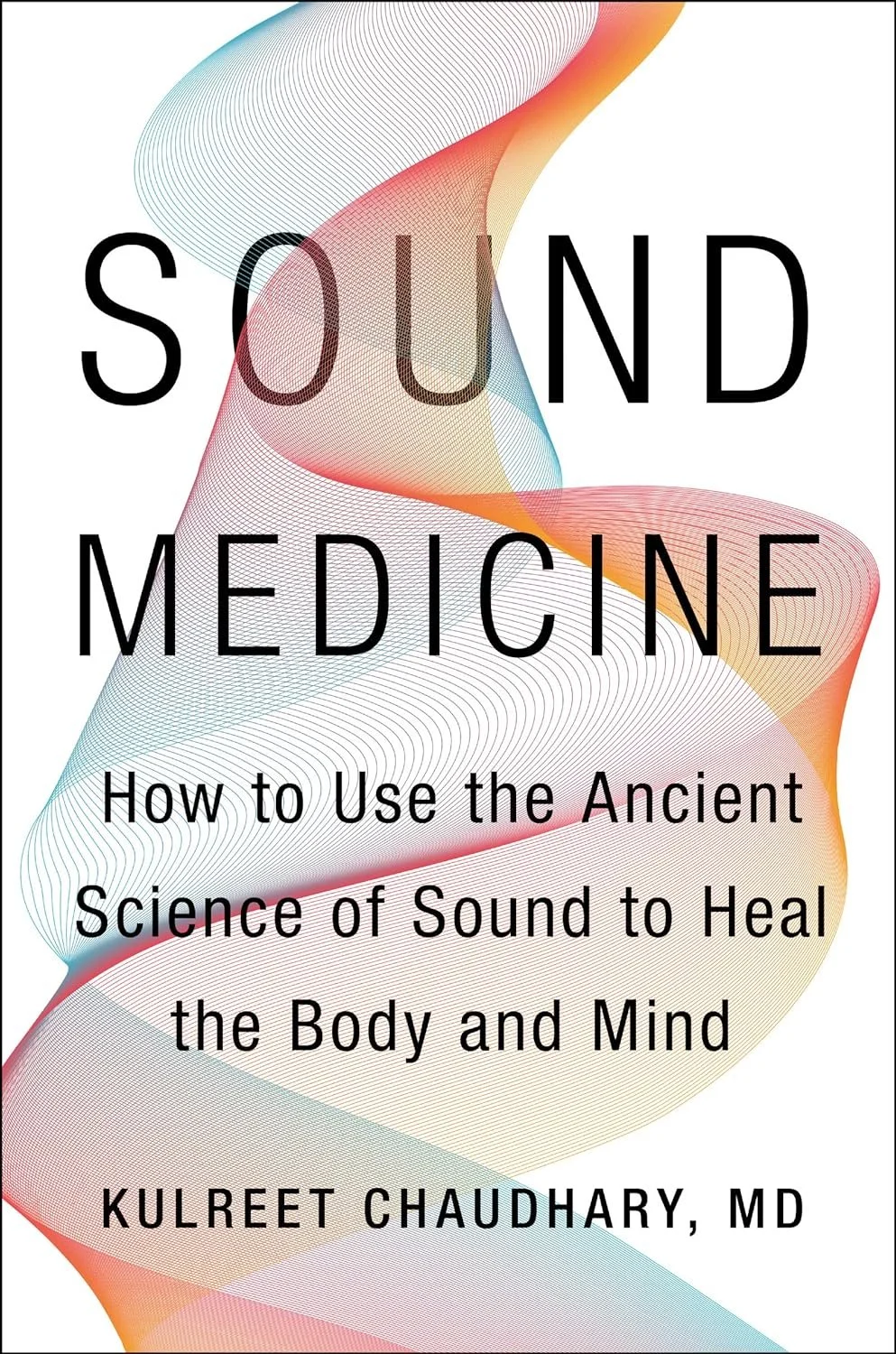
Sound Medicine | Kulreet Chaudhary
Why it is included: "Woo" becomes science when we have the tools to measure it.
Dr. Chaudhary is a neurologist who bridges two worlds: the rigorous, data-driven world of Western brain science and the ancient, vibrational world of Siddha medicine (Ayurveda).
She explains the physics of how sound affects the cellular structure of the body, moving beyond metaphor to mechanism.
We include this because it legitimizes "Vibration" as a medical intervention.
Chaudhary explains how mantra and frequency can reduce inflammation and alter neural pathways (neuroplasticity).
In a transition where traditional healthcare systems are straining, this empowers individuals to use the most accessible tool they have—their own voice and listening—to regulate their nervous systems and heal deep-seated trauma.